I was standing https://dlf-ne.org/are-online-casino-apps-actually-mobile-friendly-a-south-bay-perspective/ in line at a coffee shop leaderboards mobile apps on Pier Avenue in Hermosa the other morning, watching the fog burn off the water. Everyone around me was glued to their smartphones, scrolling through emails or checking waves, yet the vibe didn’t feel frantic.
There is a persistent idea that digital convenience should have killed the beach town "slow down" by now.
We are all carrying the entire internet in our pockets, yet when you walk along The Strand or hike the trails in Palos Verdes, the pace remains fundamentally different from the city blocks of Downtown LA.
It’s a paradox of our coastal culture.
We have optimized our downtime with mobile apps and instant connectivity, but the ocean seems to act as a natural buffer against the hyper-speed demands of modern life.
The Environment Dictates the Pace
When you are staring at a screen in a cubicle, that device is a tether to your to-do list. When you are staring at the same screen sitting on a bench at Del Cerro Park, the context changes entirely.
The relaxed lifestyle we cultivate here isn't about being Luddites; it is about how we integrate tech into our surroundings.
We use our phones to check the surf report or order a post-run smoothie, but we aren't necessarily rushing to "get back to work."
The geography forces a physical limit on your movement—you can only walk so fast on sand, and the winding roads of PV practically forbid speeding.
Tech provides the convenience, but the ocean provides the tempo.
How We Fragment Our Free Time
Our downtime has become increasingly chopped up into smaller, digestible bits. This is the reality of modern coastal leisure.
Instead of a three-hour block of unplugged time, we have twenty-minute windows here and there between appointments or surf sessions.
Smartphones have become the default tool for filling these gaps. We treat this fragmented time as a way to "check in" with the world without committing to the full-on stress of it.
Here is how that look in practice:
- The Commute-to-Coast Gap: Using mobile apps to check transit or traffic patterns while waiting for a friend at the pier. The Pre-Surf Window: Checking weather patterns and tide charts before putting the board in the water. The Post-Run Cool Down: Scrolling through a feed or finishing a quick game while catching a breath on a bluff-top trail.
The Shift in Casual Play Patterns
Mobile gaming has changed significantly, mirroring how we want our entertainment to feel. We don't want deep, immersive, stressful narratives when we are trying to unwind.
We want short-burst entertainment that offers a quick hit of satisfaction before we turn our attention back to the horizon.
This is why casual play patterns have taken over. It’s not about intense competition; it’s about a gentle engagement that can be dropped at a moment's notice when a neighbor walks by to say hello.
Digital convenience has made it so that we can pick up and put down our entertainment as easily as we slide our sandals on and off.
Activity Type Old Method (Pre-Smartphone) Current Method (Mobile Convenience) Killing 10 minutes Reading a physical newspaper or staring at the ocean Quick-session mobile gaming or catching up on notifications Navigation Physical maps or guessing based on landmarks Real-time GPS and local business apps Socializing Finding someone by chance or waiting at a meeting spot Quick text or location sharingWhy Digital Convenience Isn't a "Revolution"
I hear people throw around words like "revolution" when talking about how technology has changed our lives, but that feels like an overstatement.
In South Bay, tech is more of a utility—a way to facilitate the lifestyle we already want to live.
It’s not changing *what* we do, just *how efficiently* we do it.
When I’m waiting for my latte, I might be checking the news on my phone, but I’m still standing in the sun, feeling the breeze, and talking to the barista about the tide.
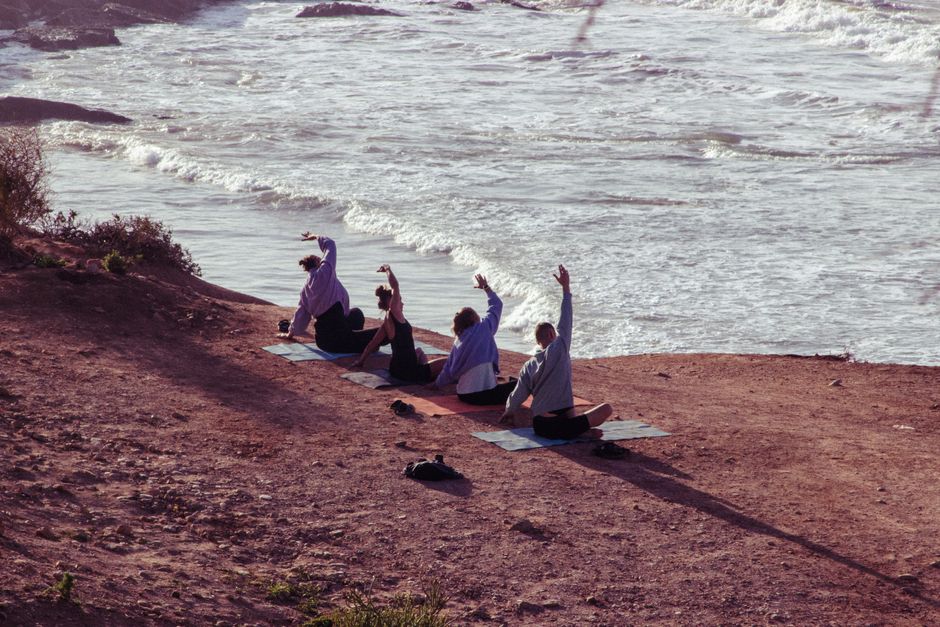
The screen isn't the primary experience; it’s the side-car to the real, physical experience of the coast.
We haven't traded the beach for the screen.
We’ve simply given the screen a place in our beach bag.
The Art of the "Unplugged" Stroll
There is a specific kind of person you see walking their dog through Palos Verdes who never touches their phone.
They are the gold standard of local culture.
But even those of us who reach for our devices aren't doing it out of compulsion; we’re doing it because we have the flexibility to blend the digital and physical worlds.

You can be fully engaged in the world, look at your phone to check a message, and immediately go back to observing the coastline without missing a beat.
It is a curated kind of attention.
Refining Your Digital Habits
If you want to maintain that "slower" feel even while using your phone, consider these simple tweaks that many of us locals use to keep the friction low:
Turn off non-essential alerts: If it isn't from a person you actually know, let it wait until you are back at your desk. Use the "Greyscale" setting: Turning your screen to black and white makes it significantly less stimulating, which helps when you are just trying to check the weather. Designate phone-free zones: Commit to keeping the phone in the bag while you are actually on the sand or in the water.Conclusion: The Hybrid Reality
Coastal culture has a resilience that isn't easily disrupted by a new app or a faster processor.
We value our time too much to let a smartphone dictate the tone of our Saturday morning.
The smartphone serves us, not the other way around.
So, the next time you are out on The Strand or looking over the cliffs, don’t worry if you see people looking at their phones.
They’re likely just checking the tide, sending a photo of the view, or enjoying a quick moment of play.
The ocean is still doing the heavy lifting for our relaxation.
The tech is just along for the ride.