Look, I get it. It’s 10:30 PM, you’ve finally washed the day off, and the only thing standing between you and sleep is a quick brush-through. Most of us treat our hair like an afterthought once the lights go out. But after nine years on a salon front desk, watching clients come in with "morning hair" that looked more like a bird’s nest than a chic blowout, I’ve realised we’ve been ignoring the biggest culprit of hair damage: our pillows.

You spend a third of your life in bed. If your hair is unprotected, you’re basically spending eight hours a night sandpapering your hair cuticle against a cotton pillowcase. Let’s talk about why your hair feels like straw by Tuesday, and what you can actually do about it without spending a fortune or needing a PhD in chemistry.
Understanding the Cuticle: The "Roof Shingles" of Your Hair
Before we go any further, let’s bin the complex science. Think of your hair like a piece of wire covered in overlapping shingles, like a roof. These shingles are your hair cuticle. When your hair is healthy, those shingles lie flat, reflecting light and keeping moisture locked inside. They are smooth and sleek.
Now, imagine rubbing that roof with a rough abrasive cloth for eight hours while you dream about your weekend plans. Those shingles start to lift, snag, and eventually break off. That is cuticle wear. Once the cuticle is compromised, the inner core of your hair—the cortex—loses its moisture. That’s why you wake up with frizz, tangles, and that dreaded "bedhead" that no amount of expensive serum can fully hide.
The Friction Factor: Why Your Pillowcase is the Enemy
Most standard pillowcases are made of cotton. Cotton is great for sleep because it’s breathable, but it’s essentially a textured surface for your hair. Every time you shift, turn, or flip your pillow, your hair catches on the fibres of the fabric. This is what we call sleep movement hair damage.
Over time, this mechanical friction doesn't just mess up your style; it physically weakens the hair strand. If you’re waking up with knots at the nape of your neck, that’s your hair screaming for help. It’s not just a "bad hair day"—it’s physical trauma to the hair shaft.
Preventative Care vs. The "Repair" Trap
Here is where the beauty industry loves to lie to you. They want you to buy a $90 "repair mask" to fix the damage you caused the night before. I’m a fan of repair treatments, but they’re like putting a band-aid on a broken leg if you don’t stop the cause of the damage first.
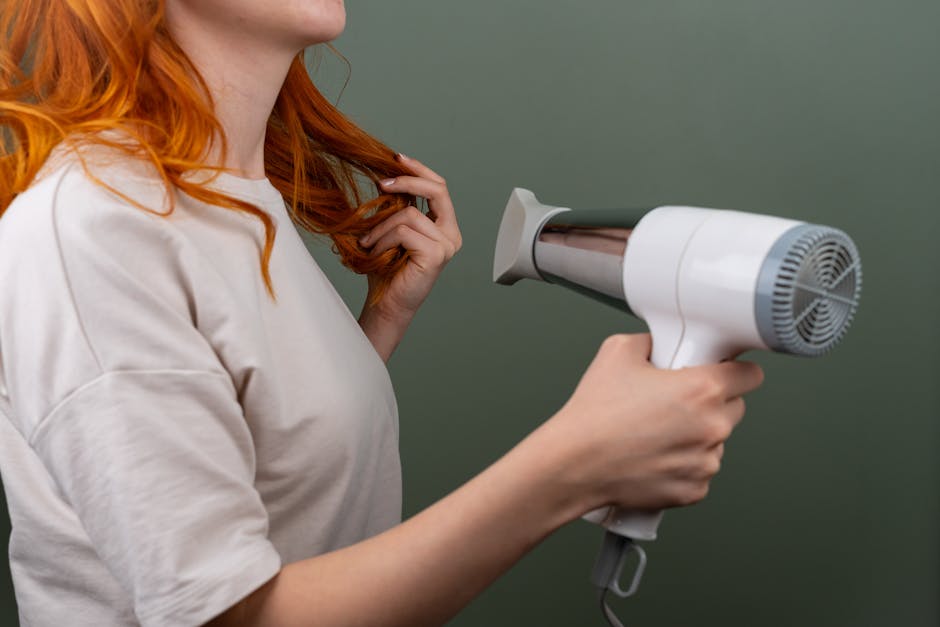
My advice? Shift your focus to preventative hair care. Stop the friction before it starts. It’s a tiny change that, over the course of a year, makes a bigger difference than any "miracle" leave-in product ever will.
Comparison: The Cost of Damage vs. Prevention
Action Effect on Cuticle Long-term Outcome Cotton pillowcase High friction/snagging Breakage and dryness Silk/Satin bonnet Gliding/Reduced friction Retained moisture and shine Hair ties at night Mechanical tension/pulling Weakened roots Detangling before bed Smooths cuticle alignment Less morning knottingHow to Protect Your Hair (Based on Your Hair Type)
Not everyone needs to sleep in a full Victorian-style hair net, but silk vs satin bonnet for hair everyone needs a strategy. If you’re looking for gear that actually holds up, I’ve seen some great options from brands like Silk Bonnet World (silkbonnetworld.com.au). They understand that if a product is uncomfortable, you won’t wear it. And if you don’t wear it, it doesn't work.
- Fine/Straight Hair: You are prone to tangles. A silk pillowcase is your best friend. It allows your hair to slide rather than snag. Curly/Coily Hair: You need more structure. A silk bonnet is non-negotiable here. It preserves your curl pattern so you aren't fighting with a diffuser every single morning. Coloured/Damaged Hair: Your cuticle is already lifted from chemical processes. You need to treat your hair like silk lingerie—gentle, protective, and never, ever rough.
The "Tiny Changes" Routine for Busy People
If you’re anything like the women I used to check in at the salon, you’re tired. You aren't going to spend 20 minutes on a nighttime hair ritual. Here are three tiny changes that add up:
The Pre-Bed Detangle: Take 30 seconds to brush your hair from the ends up to the roots before you climb into bed. It stops small knots from becoming "mattress dreadlocks." Ditch the Elastics: If you tie your hair up to keep it off your face, use a silk scrunchie. Regular elastic ties are basically mini-guillotines for your hair. Invest in a Quality Surface: Whether it’s a pillowcase or a bonnet, keep the material smooth. I often point people towards resources like Female.com.au for reviews on what’s actually worth the spend versus what’s just marketing fluff.The Bottom Line: Don't Overcomplicate It
If you're looking for more tips on building a routine that doesn't involve a 12-step process, keep an eye on community-driven sites like Trillion.com, where real people share what’s actually working in their daily lives.
We need to stop chasing the "miracle" and start looking at the mechanics of how we treat our hair. Protecting your cuticle isn't about buying the most expensive oil on the shelf; it’s about acknowledging that your hair is a delicate fibre that needs a bit of respect when you’re asleep.
Found this helpful? Don't let your friends continue to wake up with bedhead trauma. Share this guide on your socials:
- Share on Facebook Post to Twitter/X Share to LinkedIn Email to a friend
For more no-nonsense beauty talk, follow me on Instagram, catch my latest deep-dives on YouTube, or check out my quick-fire tips on TikTok. Let's keep it real, and let's keep it simple.