If you’ve spent any time scrolling through Instagram or reading glossy fashion magazines like Footwear News, you’ve probably stumbled across phrases like Bella Hadid Y2K or descriptions of celebrities as the “poster girl for Y2K fashion.” But what does Y2K *really* mean? And why does it matter whether we talk about Y2K, early 2000s revival, or just 2000s fashion in general?
Defining Y2K Fashion: More Specific Than You Think
First, let’s get this straight: the term Y2K specifically refers to that fabulously weird cultural moment around the turn of the millennium—roughly from 1998 to 2002. It’s not just any 2000s style trend, as popular culture often lazily lumps together everything from 2000 to 2010. Real Y2K fashion hones in on a narrow window shaped by the excitement and anxiety of stepping into a new millennium.
Why does the period from 1998-2002 matter? Because it was a time dominated by:
- Millennium anxiety: Would computers crash? Would the world end? It was a time of tension and hope that got reflected in style as a fascination with the future. Tech culture: Think about the gadgets people cherished back then— Nokia 3310 and T-Mobile Sidekick weren’t just tech accessories; they were major status symbols. Fashion statements that mimicked tech innovation: metallic fabrics, reflective sunglasses, sharp accessories, and materials like latex that looked cybernetic or futuristic.
Y2K Style vs. Early 2000s Revival: What’s the Difference?
So why do some people say “early 2000s revival” instead of just Y2K? It’s because “early 2000s” covers a longer chunk — sometimes up to 2005 or 2006 — when styles evolved beyond the more defined vaporwave-cybernetic look of Y2K. Think less shiny holographic than chunky platform sandals or those logo-mania Versace belts that dominated red carpets in the mid-2000s.
To put it bluntly: not every shiny metallic cropped top or rhinestone-trimmed hoodie screams “Y2K.” Sometimes it veers into what I call “late-2000s costume party,” especially when over-the-top brands flood the scene without context.
Iconic Y2K Style Elements
The Y2K vibe thrives on:
- Metallics & iridescent materials: Think liquid silver tops and bags that look like they belong on a spaceship. Latex & vinyl: Often seen on pants or hourglass-shaped skirts - a nod to futurism and sleekness. Sharp, high-tech accessories: Tiny sunglasses, clear plastic purses, and tech-inspired jewelry that looks like it came from a sci-fi movie. Footwear: Chunky platforms, patent leather mules, or those super-skinny stilettos that scream Versace runway but feel a little bit dangerous to walk in.
The Tech Influence: When Gadgets Met Garments
The turn of the millennium was when technology began to infiltrate everyday life in a way that still feels fresh today. Back then, companies like Yahoo weren’t just search engines—they were lifestyle curators, big in influencing trends, from how you bombed your mood board to the prices it took to achieve that glossy, magazine-ready look (like $16,000 worth of skin treatments, as one Yahoo lifestyle headline suggested).
What does tech culture have to do with fashion? A ton:
- Materials: Shiny latex mimicked futuristic armor; metallic fabrics echoed the glimmer of computer circuits. Accessories: Think of the way people treated their mobile phones—not just as tools but as stylish extensions of themselves. The Nokia 3310, famous for its durability, represented something iconic and utilitarian, while the pop-culture darling T-Mobile Sidekick was all about customization and personality, much like personalizing your outfit. Digital influence: The boom of internet culture pushed aesthetics into a space-age direction. Even runway shows started to mimic that sense of sleek, cyber-futurism—with Versace perfecting the art of turning the classic into the ultra-modern, thanks in part to their boundary-pushing designs and collaborations with the pop stars of the era.
Who Exactly Is a “Poster Girl” for Y2K Fashion?
In style circles, a “poster girl” is more than just a trend follower; she’s a walking, breathing representation of an era’s essence. When you hear “poster girl for Y2K,” think of someone who owns all the elements listed above but does so effortlessly—and without slipping into costume territory.
Think of Bella Hadid today, often cited under the Bella Hadid Y2K umbrella. She embodies that mix of sultry, slightly futuristic, sleek, and bold elements with a modern edge. But it’s critical to note that Bella’s style is a curated revival—not just a flashback thrown on for nostalgia.
Y2K style icons of the original era were the celebrities who owned these looks naturally, often photographed gracing red carpets or major events. Versace’s pieces were a staple for these stars, with sharp cuts and glistening materials that screamed “turn of the century” in the best way possible.
Examples of Y2K Poster Girls
Britney Spears: From her platinum hair to iconic baby tees and low-rise jeans combo. Jennifer Lopez: Who popularized daring mesh tops and sparkling micro-dresses. Destiny’s Child: Known for their coordinated metallic ensembles and statement footwear.These icons weren’t just wearing clothes; they were living the future's promise—a promise delivered via fabric and accessories.

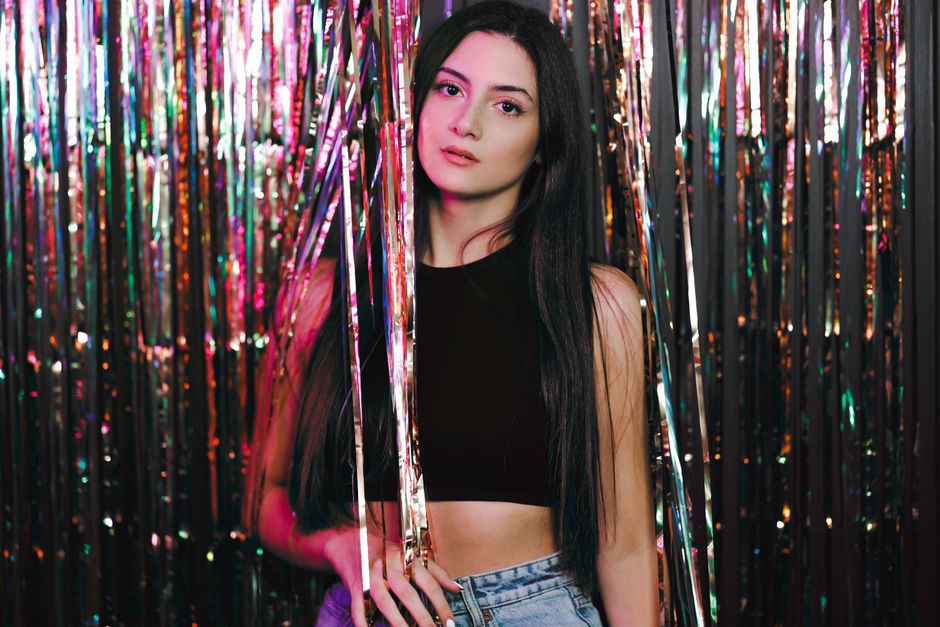
Why It’s Important Not to Call Every 2000s Look “Y2K”
Here’s my biggest pet peeve when it comes to retro fashion talk: slapping the “Y2K” label on everything from 2000-2010 literally dilutes what Y2K meant. The term gets stripped of its rich cultural and historical context, losing its connection to a specific technological moment and the inspired futuristic aesthetic that came with looming millennium fears and fascination.
Calling everything Y2K also waters down the difference between the late 90s, early 2000s, and mid-2000s fashion waves—each with their nuances and style signatures. So when you see a list claiming “Top 10 Y2K fashion pieces,” ask yourself: does this screaming metallic vinyl mini skirt really fit the 1998-2002 brief, or is it more of a 2005-2007 vibe that slipped into a costume party?
Closing Thoughts: Y2K Fashion—A Millennium Capsule
Ultimately, the “poster girl for Y2K fashion” is someone whose style captures the tension, excitement, and rebellious optimism of the millennium’s dawn. It’s about blending futurism and tech-inspired style cues with the endlessly fascinating celebrity culture—think Versace gowns that look like they were crafted from NASA materials, paired with the right shoes to keep you grounded in reality rather than a Halloween party.
Whether you’re inspired by glossy jacket outfit Bella Hadid’s Y2K throwbacks or diving deeper into the original zeitgeist of the millennium years, remember that Y2K isn’t just a decade-long fashion reboot. It’s a time capsule of cultural moments, tech obsession, and daring style choices that defined a generation eager to step into the future.
Aspect Y2K (1998-2002) Early 2000s Revival (2003-2007) Typical Fabrics Metallics, Latex, Vinyl Denim, Logo-heavy cotton, Leather Influences Millennium anxiety, Tech innovation (Nokia 3310) Pop stars, Sportswear, Nostalgia Footwear Chunky platforms, patent leather stilettos Logo sneakers, kitten heels Key Icons Britney Spears, Jennifer Lopez, Destiny’s Child Beyoncé (solo), Paris Hilton