If you have spent any time around a Cavalier King Charles Spaniel, you know exactly why they are one of the UK’s most beloved breeds. They are the quintessential lapdog: affectionate, adaptable, and armed with an expression that can melt even the coldest heart. But as someone who has fostered these dogs for nearly a decade and supported countless owners through the reality of breed-specific healthcare, I have a duty to tell you what the brochures often omit.
When you see a Cavalier puppy listed for £2,500, that is not the price of the dog. That is merely the entry fee. The true cost of a Cavalier is measured in a lifetime of specialized vet care, chronic condition management, and the emotional resilience required to care for a breed that has been structurally compromised by selective breeding.
If you are considering bringing a Cavalier into your home, you must look past the "average cost" estimates found on generic pet websites. We need to talk about the reality of chronic conditions and how to prepare your finances for a dog that will almost certainly require significant medical intervention.
The Purchase Price Trap: Why Your Puppy Budget is Irrelevant
I hear it constantly: "I’ve saved up £3,000 for the puppy, so I’m all set." In the world of Cavalier ownership, this is a dangerous misconception. Because of the breed's genetic heritage, many Cavaliers are predisposed to conditions that don't just require a one-off surgery; they require a lifetime of management.

When we talk about "hidden costs," we aren't just talking about premium kibble or a fancy harness. We are talking about the "invisible" monthly expenses: monthly cardiac medications, bi-annual specialist cardiology scans, chronic pain management, and specialized physiotherapy for orthopaedic issues. If you do not have a robust financial plan, you are not ready for a Cavalier.
The Big Two: MVD and Syringomyelia
The two most significant health concerns for the breed are not just expensive—they are life-altering. Understanding these is the difference between being a "pet owner" and a "caregiver."
1. Mitral Valve Disease (MVD)
MVD is the most common cause of heart failure in Cavaliers. It is a progressive disease where the heart valves thicken and fail to close properly, leading to a heart murmur and eventually congestive heart failure. Most Cavaliers will develop some degree of MVD as they age.
The Cost Reality:
- Diagnosis: A baseline heart echo is often required, costing between £400 and £700. Repeat Cardiology Checks: Once a murmur is detected, you aren't just seeing your local vet. You need repeat cardiology checks with a board-certified specialist. Depending on your location in the UK, these checks (including echocardiograms) can range from £350 to £600 per visit, typically required every 6 to 12 months. Medication: Pimobendan and ACE inhibitors are standard. Depending on the dog’s weight and dosage, this can add £60–£120 to your monthly household budget.
2. Syringomyelia (SM)
Often referred to as the "Cavalier disease," SM is a complex neurological condition where the skull is too small for the brain, causing fluid-filled cavities (syrinxes) to form within the spinal cord. It is notoriously painful and heart-wrenching to watch.
The Cost Reality:
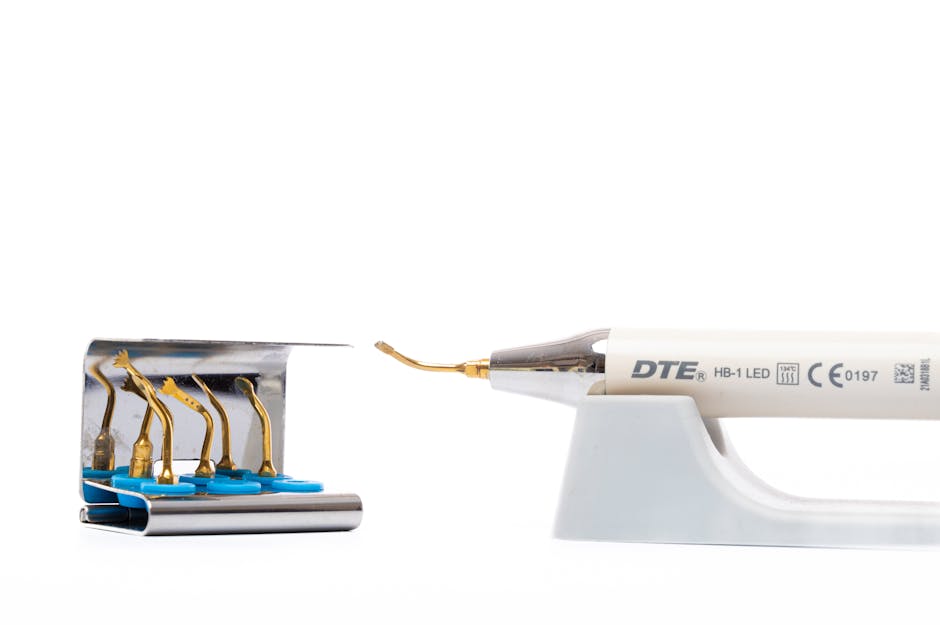
Syringomyelia treatment is not a simple course of antibiotics. It involves complex MRI scans to diagnose, often costing between £1,500 and £3,000 at a referral centre. Once diagnosed, management is lifelong. This includes high-cost neuropathic pain relief, anti-inflammatories, and potentially surgery to decompress the area, which can exceed £6,000, with no guarantee of long-term success.
The Hidden Orthopaedic and Brachycephalic Burden
While MVD and SM dominate the conversation, the "hidden" costs often lie in the breed's structure. Many Cavaliers are now being bred with shorter muzzles, leading to Brachycephalic Obstructive Airway Syndrome (BOAS). This causes breathing difficulties that may require soft palate surgery or nostril widening—procedures that can easily set you back £2,000–£4,000.
Additionally, luxating patellas (slipping kneecaps) and hip dysplasia are rampant. Surgical correction for a luxating patella is a significant procedure that requires strict cage rest and post-operative physiotherapy.
Table: Estimated Lifetime Management Costs
Condition Initial Diagnostic Cost Annual Maintenance Cost Mitral Valve Disease £500 - £800 £800 - £2,000+ Syringomyelia £1,500 - £3,000 £1,200 - £2,500+ Luxating Patella (Surgery) £2,000 - £3,500 £500 (Physio/Rehab) BOAS (Airway surgery) £2,000 - £4,000 MinimalProtecting Your Future: Insurance and Health Schemes
If you walk away with https://www.thegooddogguide.com/blog/7-most-expensive-dog-breeds-to-own-in-the-uk/ one piece of advice, let it be this: Do not settle for "accident-only" insurance or policies with low annual limits.
The Case for Lifetime Cover
For a Cavalier, you absolutely must have a lifetime cover policy. This means that if your dog develops a condition like MVD, the insurance policy will cover the cost of treatment year after year, up to the annual limit, for the rest of their life. If you have a "time-limited" policy, your coverage for a chronic condition will expire after 12 months, leaving you to pay the astronomical costs of repeat cardiology checks and life-long medication out of your own pocket.
The Kennel Club Health Scheme
When searching for a breeder, looking for the "Kennel Club" logo is not enough. You must specifically ask for proof of screening under the Kennel Club heart scheme. Responsible breeders will have their breeding dogs screened by cardiologists, and they should be able to provide the certificate. If a breeder tells you that heart testing isn't "necessary for this line," walk away. They are gambling with your future bank account—and your dog's life.
The "Hidden" List Owners Always Forget
I keep a running list of what people forget to include in their spreadsheets. If you are budgeting for a Cavalier, add these to your mental column:
Dental Care: Cavaliers are prone to early-onset dental disease. An annual dental scale and polish (often involving extractions) can cost £300–£600. Specialized Diet: Many Cavaliers suffer from sensitive skin or digestive issues, often requiring veterinary-prescribed hypoallergenic diets that cost 3x the price of standard kibble. Rehabilitation/Physio: If your dog has orthopaedic issues, physio is not an "optional extra." It is required. Expect £40–£70 per session. Emergency Out-of-Hours: If your dog has a heart flare-up at 2:00 AM, the consultation fee alone can be over £250 before any tests are run.Final Thoughts: Is the Cost Worth It?
The Cavalier King Charles Spaniel is a heart-breaker in every sense of the word. They offer a level of devotion that few other breeds can match, but they carry a heavy physical toll for their appearance. I have seen many owners forced to rehome their beloved pets simply because they didn't anticipate the financial weight of these genetic health issues.
If you can afford the insurance, the specialist care, and the dedication required, they are incredible companions. But please, approach this with your eyes wide open. Don't look at the purchase price. Look at the lifetime of care. Only then will you be the kind of owner that this breed truly deserves.
Are you currently researching a puppy? Always check the UK Kennel Club Breed Health Watch to stay updated on the latest findings regarding Cavaliers. Your wallet—and your future best friend—will thank you.