After nine years working the front desk of a bustling Sydney salon, I’ve heard it all. From frantic calls about “salon disasters” that turned out to be nothing more than a bad toner, to the heartbreaking morning battle against a head full of knots. If I had a dollar for every client who told me they spent twenty minutes detangling their hair while their morning coffee went cold, I’d be retired on a beach somewhere—not writing this piece for you.
The truth is, hair health isn’t just about the expensive salon treatments or the high-end shampoos you use in the shower. A massive chunk of the damage we see in the chair is actually "mechanical damage" sustained during the seven or eight hours we spend asleep. If you’re waking up looking like you’ve been dragged through a hedge backward, it’s time to rethink your nighttime routine.
Understanding the Overnight Struggle: Why Friction Matters
We treat sleep like a passive activity, but for your hair, it’s a high-friction sport. Every time you toss, turn, or adjust your pillow, your hair strands are rubbing against fabric. This movement creates micro-friction. Over a year of nights, that friction adds up to can pillowcases cause hair loss split ends, breakage, and those dreaded, stubborn tangles that seem to weld themselves together by sunrise.
Think of your hair strands like individual threads in a silk shirt. If you rub that shirt against coarse cotton sandpaper all night, it’s going to fray. Prevention beats repair every single time. It is infinitely easier to keep your hair smooth while you sleep than it is to spend the morning aggressively ripping a brush through a bird’s nest, which only causes more breakage.
The Cotton Trap: Why Your Pillowcase Might Be the Enemy
Most of us sleep on standard cotton pillowcases. From a comfort perspective, they’re breathable and classic. From a hair perspective? They’re a bit of a nightmare. Cotton is porous and highly absorbent. It wicks moisture right out of your hair shaft, leaving your strands dry, brittle, and more prone to snapping.
Furthermore, cotton has a relatively high level of drag. When your hair strands move across that surface, they catch and pull. This is where the knots originate. By switching to a silk or high-quality satin surface, you are essentially giving your hair a "slip" factor. Instead of catching and twisting, your hair glides across the fabric. This is exactly why brands like Silk Bonnet World have become staples in the kits of professional stylists; by protecting the hair cuticle, you retain moisture and significantly reduce the structural damage caused by nightly movement.
The Pre-Bed Ritual: A Practical Guide to Knot-Free Mornings
If you want to wake up with your style intact, you need a routine. It’s not about overcomplicating things; it’s about consistency. Here is how I advise my clients—and how I manage my own hair—to reduce tangles overnight.
1. Gentle Brushing Before Bed
Never, and I mean *never*, go to bed with tangles. If you have knots when your head hits the pillow, they will only tighten and multiply by morning. Perform a gentle brushing before bed using a high-quality detangling brush or a wide-tooth comb. Start at the ends and work your way up to the roots to ensure you aren't snapping the hair shaft. This step removes the day’s dust and debris and distributes natural oils from your scalp toward your ends, which acts as a natural conditioner.
2. The Power of a Loose Protective Hairstyle
Depending on your hair length and texture, a loose protective hairstyle is your best friend. The goal is to minimize movement without putting stress on the follicle. Avoid tight ponytails or buns, which can cause tension alopecia and breakage around the hairline. Instead, try a loose, low braid or a "pineapple" (a high, loose ponytail gathered at the very top of the head) held with a silk scrunchie. This keeps the hair contained and off your neck.
3. Incorporate a Silk Bonnet
If you have curly, coily, or particularly long hair, a bonnet is a game-changer. By tucking your hair into a silk bonnet, you create an enclosed environment that prevents your hair from tangling with itself or the pillowcase. I’ve seen many clients transform their hair texture simply by keeping it protected in a high-quality bonnet. It’s a low-effort, high-reward habit that completely changes your morning routine.
What the "TikTok Experts" Won't Tell You
If you spend any time on TikTok or Instagram, you’ve likely seen hundreds of https://highstylife.com/do-silk-accessories-actually-help-with-textured-hair-in-australia/ "hair growth hacks." While some are great, others are downright dangerous. I see many influencers suggesting very tight heatless curler sets or sleeping with heavy hair masks that leave the scalp feeling greasy and inflamed.
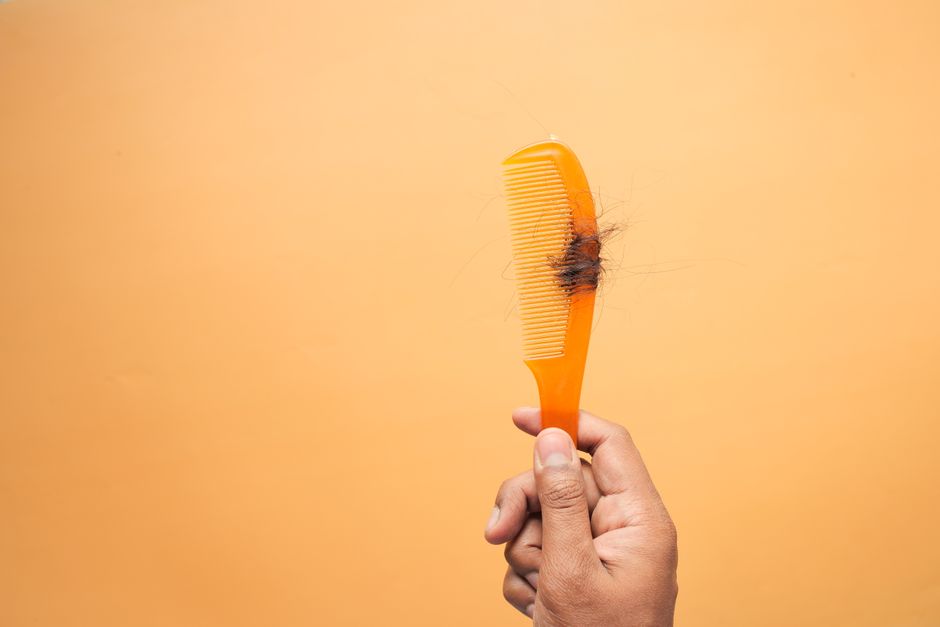

My advice? Keep it simple. Social media loves a "quick fix," but hair health is a long game. Stick to the basics: low friction, moisture retention, and gentle manipulation. If you see a trend that involves pulling your hair tight or using heat every single night, keep scrolling. Practicality is the true secret to salon-quality hair.
Quick-Reference Guide: Nighttime Hair Care
To make this easy to digest, I’ve broken down the best approaches based on your hair type. Remember, consistency is the key to seeing results.
Hair Type Primary Goal Recommended Action Fine/Straight Reduce static & tangles Silk pillowcase + loose side braid Wavy Maintain definition Loose pineapple with silk scrunchie Curly/Coily Maintain moisture & shape Silk bonnet from Silk Bonnet World Damaged/Processed Prevent breakage Micro-fiber hair wrap or silk bonnetCommon Questions Answered
Is it okay to sleep with wet hair?
Absolutely not. Wet hair is in its most fragile state because the protein bonds are swollen and weak. Sleeping on wet hair is a recipe for extreme breakage. If you shower at night, make sure your hair is at least 90% dry before you style it for bed.
How often should I wash my silk bonnet?
Treat your bonnet like you would your pillowcase. Because it sits against your skin and hair, it collects oils, sweat, and product residue. I recommend washing your silk accessories once a week on a gentle cycle or by hand with a silk-safe detergent to keep them hygienic.
Do I really need to brush my hair every single night?
If you want to reduce tangles overnight, yes. Brushing ensures you don't have "hidden" knots hiding near the nape of your neck. If you have very tight curls, use your fingers to detangle rather than a brush to maintain your pattern.
Final Thoughts: Invest in Your Beauty Sleep
The beauty industry spends billions of dollars trying to convince you that you need a new bottle of serum to fix your hair. But often, the most effective change comes from simply changing the environment your hair lives in for eight hours a day. By swapping your pillowcase for silk, committing to a gentle nightly brushing, and opting for a loose protective hairstyle, you are doing more for your hair than a dozen expensive masks could ever achieve.
Stop fighting your hair in the morning. Treat it with a little kindness tonight, and you’ll find that the "morning rush" becomes a whole lot easier. After all, the best hair day is one where you don't have to work for it.