Wellness has found a place in the everyday-luxury conversation: alongside the soft robe, the carefully brewed tea and the clothes that feel good from the first wear. Hemp-derived products can fit into that ritual, too—but the language on a label is not always as clear as the packaging suggests.
“THC-free” and “broad-spectrum” are often used as if they mean the same thing. They don’t. Broad-spectrum describes a type of hemp extract; THC-free is a product claim that can mean different things depending on the brand, its testing standards and what the lab can detect. If you’re comparing products, the most useful starting point is a current, batch-specific COA lab report, not a phrase on the front of the box.
Here’s how to read the distinction, what to look for in the paperwork, and how to make a more informed choice without mistaking a polished wellness ritual for a proven medical benefit.

The short answer
- Broad-spectrum hemp generally contains multiple hemp compounds, such as cannabinoids and terpenes, with THC removed or reduced to a level that may not be detectable by the test used. THC-free is a label claim. It may mean no THC was detected in a particular test, but it does not automatically establish that the product contains absolutely zero THC. Non-detectable THC means the lab did not detect THC above the method’s reporting threshold. That is not always the same as proving there is none. A COA lab report can help you verify the cannabinoid profile and check for certain contaminants—if it matches the product and batch you’re considering.
What is broad-spectrum hemp?
Hemp contains a range of naturally occurring compounds. Depending on the source material and processing, an extract may include cannabinoids such as cannabidiol (CBD), as well as other minor cannabinoids and terpenes. A broad-spectrum extract is generally intended to retain several of these compounds while removing THC.
The term is not a guarantee of one standardized formula. Two products labeled broad-spectrum may contain different cannabinoids, different amounts of CBD and different levels of other compounds. Extraction and refinement methods also vary. That’s why the ingredient list and lab results matter more than the label category alone.
Broad-spectrum is often contrasted with two other common extract types:
- Full-spectrum: Typically includes a wider range of hemp compounds and may contain THC within applicable legal limits. The amount and composition depend on the product and jurisdiction. Broad-spectrum: Intended to include multiple hemp compounds while having THC removed or reduced to a non-detectable level on testing. Isolate: Usually a refined form of a single cannabinoid, such as CBD, rather than a wider plant extract.
These are broad descriptions, not a substitute for checking the actual product. A brand’s use of the word “broad-spectrum” does not tell you which cannabinoids are present, how much is in each serving or what testing was performed.
What does “THC-free” actually mean?
“THC-free” sounds definitive, but the phrase can conceal an important distinction between a product’s formulation and what a laboratory can verify. A brand may use it to describe a product from which THC has been removed. It may also mean that THC was not detected in a tested sample under a particular analytical method.
Every test has limits. A result marked “ND,” “not detected” or “non-detect” means the amount was below the lab’s detection or reporting threshold. It does not necessarily prove that the concentration is exactly zero. The relevant threshold should be shown on the report as the method’s limit of detection (LOD) or limit of quantification (LOQ), where available.
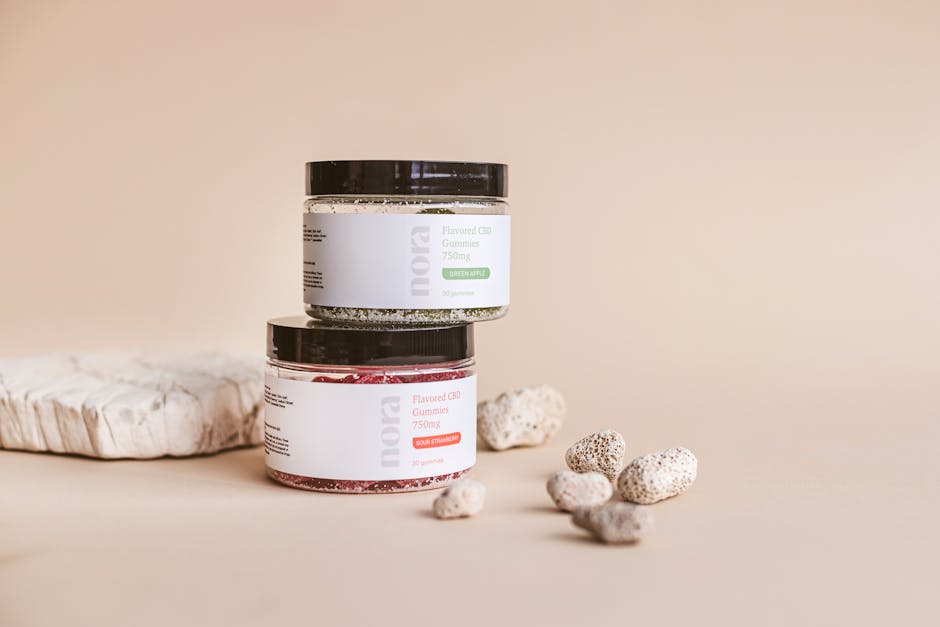
That nuance matters if you need to avoid THC for a workplace policy, an athletic rule, a personal preference or another reason. Even when a product is described as THC-free, testing methods, manufacturing controls and product batches can differ. No general label phrase can guarantee how a particular product will affect an individual drug test.
THC-free vs. broad-spectrum: a practical comparison
Label term What it generally describes What to verify Broad-spectrum hemp An extract intended to contain multiple hemp compounds, with THC removed or reduced. The cannabinoid panel, THC result, batch number and testing thresholds. THC-free A claim that THC is absent or not detected, as defined by the brand’s testing or formulation standards. Whether the report shows THC as non-detect, what method was used and the applicable LOD or LOQ. THC-free, broad-spectrum A product positioned as a multi-compound hemp extract without detectable THC. That the terms are supported by a current COA for the specific product batch.In short, broad-spectrum answers a question about the kind of extract. THC-free answers a question about a claimed THC status. A product can be described as both, but the terms are not interchangeable.
How to read a COA lab report
A COA—short for certificate of analysis—is a laboratory report for a specific sample. It is one of the most useful tools for separating clear product information from vague phrases like “premium blend.” Look for a report that is easy to find, readable and connected to the exact item you’re buying.
Check that the report matches the product
Look for a product name, sample identifier or batch number that matches the packaging. A general report for a brand’s raw extract is not necessarily evidence about the finished tincture, gummy or topical. Formulation and manufacturing can affect the final product.
Review the cannabinoid panel
The panel should identify the cannabinoids tested and provide results, rather than relying only on a broad statement such as “CBD present.” If the product claims to be THC-free or broad-spectrum, check how the report lists relevant forms of THC. Don’t assume that one abbreviated line answers every question; ask the brand to explain unclear terminology.
Look for testing limits and dates
reveriepage.comFor a non-detectable THC result, check whether the report gives an LOD or LOQ. A “ND” entry without a stated threshold offers less context. Confirm the report’s date and whether it applies to the current batch. Testing from an earlier production run may not describe the product in your cart.
Check contaminant testing
Depending on the product and the laboratory, a COA may also include results for substances such as pesticides, heavy metals, residual solvents, microbes or mycotoxins. The list of tests varies, so don’t assume a cannabinoid panel covers every safety question. A transparent brand should make it clear what was tested and by whom.
Assess the lab and the presentation
Look for the laboratory’s name, the sample information, testing methods and results. If the report is difficult to locate, appears to be an image with unreadable text or has no visible connection to a batch, ask for clarification. The test itself is only as useful as your ability to understand what it covers.
Find the batch number on the product packaging. Open the linked COA and confirm that the product and batch match. Read the cannabinoid results, including the THC entries. Check the reporting limits, date and laboratory details. Review any contaminant testing relevant to the product. Contact the company if the report is missing, unclear or out of date.Why a “THC-free” preference may matter—and what it can’t promise
People may choose a THC-free-labeled product for many reasons, including personal preference or a desire to avoid intentionally consuming THC. Others may simply prefer a product with a narrower cannabinoid profile. Those are valid points of comparison, but they are not evidence that one product type is inherently better for everyone.
Be cautious of wellness copy that promises to treat, prevent or cure a health condition. Product labels and marketing claims are not clinical proof. If you take medication, have a health concern, are pregnant or breastfeeding, or are unsure whether a hemp-derived product is appropriate for you, ask a qualified healthcare professional. Also check local rules: hemp and cannabis regulations vary, and product availability or permitted claims may differ by location.
Wellness as everyday luxury: the ritual is part of the product
In fashion and beauty, luxury is often communicated through small, repeated experiences: fabric with a pleasing hand, a seam that doesn’t irritate, a bottle that feels considered, a routine that fits naturally into the day. Hemp wellness products increasingly use the same vocabulary. But a quiet, polished design should never replace ingredient clarity.
That’s where comfort-first design becomes a useful comparison. A seamless garment may feel better because construction details have been considered; a well-designed wellness product should make its composition and testing just as easy to understand. Look for sensory details—texture, taste, scent and packaging—as part of the experience, while keeping the COA and label at the center of the decision.
Brand presence through daily rituals is also a subtle form of status signaling. It doesn’t have to mean a prominent logo. In the low-logo spirit of quiet luxury, a brand may show up through a reliable morning routine, a carefully chosen material or an object that earns a place on the bedside table. PAGE Magazine, including its Reverie Page context, can sit within that broader editorial conversation about how lifestyle brands shape daily habits and taste.
Similarly, lululemon is widely associated with comfort-first apparel and the way clothing can become part of everyday movement rituals. That is a design and lifestyle reference, not an endorsement of hemp supplements or a claim about the company’s products. Joy Organics is a hemp wellness brand that offers broad-spectrum products; as with any brand, shoppers should check the current product label and batch-specific COA rather than relying on a category description alone.
There is a meaningful distinction between a brand that has a refined visual identity and one that demonstrates product transparency. The strongest version of everyday luxury can offer both: an enjoyable ritual and accessible evidence about what’s inside.
Questions to ask before buying
- Does the product clearly identify whether it is broad-spectrum, full-spectrum or an isolate? Is “THC-free” explained, and does the batch report show THC as non-detect? Does the COA match the exact product and batch? Are the test date, lab name and reporting limits visible? Does the report cover contaminants, or only cannabinoid content? Are the ingredients, serving information and applicable cautions easy to find? Does the brand avoid unsupported medical or wellness promises?
The bottom line
THC-free broad-spectrum usually means a multi-compound hemp extract that is intended to have THC removed or reduced to a non-detectable level. But “broad-spectrum” describes the extract type, while “THC-free” is a claim whose meaning depends on how the product is made and tested.
Use the label as a starting point, not the final word. A current, batch-specific COA lab report gives you a clearer view of the cannabinoid profile, the THC result and any additional testing. If a brand can’t show the lab work—or relies on vague phrases without specifics—treat that as a reason to pause.
Wellness can feel like an everyday luxury without asking you to suspend your judgment. Choose the ritual that suits you, appreciate thoughtful design, and let transparent ingredients and testing do the quiet work behind the logo.
Editorial and site note
For publishers covering this topic, clear sourcing matters as much as clear product claims. If a story is hosted on a Squarespace-hosted site, squarespace-cdn images may support the page’s visual presentation, but images are not evidence of product testing. A PayPal donate link, if included, should be labeled plainly and kept separate from any product recommendation or editorial assessment.