When it comes to investing in leather goods, discerning buyers often face a common challenge: choosing between saddle stitching and machine stitching. Both are popular methods, but understanding their differences is essential, especially when considering leather grade, tanning methods, hardware quality, and zipper reliability.
In this comprehensive guide, we’ll dissect the nuances of saddle stitch versus machine lockstitch, offer insights on leather certifications like Cuoio Superiore, and explore trusted brands like Von Baer and the significance of zipper quality from YKK. Whether you're eyeing a vegetable-tanned briefcase or a chrome-tanned wallet, this post will help you make an informed choice based on durability, craftsmanship, and authenticity.
Understanding Leather Grade: Truth vs Marketing Labels
Before diving into stitching methods, it’s critical to understand the leather itself. The industry is full of vague phrases such as “genuine leather,” which sound luxurious but often denote low-quality, split leather with a thin synthetic topcoat. Savvy shoppers should look beyond marketing jargon and https://bizzmarkblog.com/why-do-briefcase-corners-wear-out-first-understanding-abrasion-resistance-and-quality-factors/ seek transparent information on leather grade and tanning methods.
Full-Grain vs Top-Grain Leather
- Full-Grain Leather: The highest quality, made from the top layer of the hide, featuring natural marks and breathability. Top-Grain Leather: Sanded and refinished to remove imperfections but still durable. Genuine Leather: Can be any lower-grade leather, often heavily treated.
Brands like Von Baer emphasize full-grain vegetable-tanned leather, which develops a beautiful patina over time, far outlasting mass-produced chrome-tanned goods. Look for transparency in product descriptions and avoid vague terms; always question descriptions that say “genuine leather” without further details.
Vegetable Tanning vs Chrome Tanning: Why It Matters
Tanning stabilizes raw hides so they resist decomposition, but the method used dramatically affects durability and aging.
Tanning Method Characteristics Impact on Leather Common Usage Vegetable Tanning Uses natural tannins; slower process Creates firm, robust leather that patinas beautifully; often stiffer initially High-end wallets, belts, briefcases Chrome Tanning Uses chromium salts for faster processing Produces softer, more pliable leather but can degrade faster; less eco-friendly Mass-market leather goods, glovesCuoio Superiore certification from Italy highlights vegetable-tanned leather that meets quality and sustainability standards. If you spot this seal on brands like Cuoio Superiore certified pieces, it’s your assurance of authentic, responsibly sourced vegetable-tanned leather.
The Stitching Showdown: Saddle Stitch vs Machine Lockstitch
Now, onto the star of the show — stitching. How your leather goods are stitched impacts the longevity and repairability of seams, especially under daily stress.
What is Saddle Stitching?
Saddle stitching is a traditional hand-stitching technique where two needles pass through each hole in opposite directions, creating a locking stitch. This method is highly regarded among leatherworkers for its durability.
- Durability: If one stitch breaks, the rest of the seam stays intact. Appearance: Often seen in premium leather goods, saddle stitching offers a thicker, more textured stitch line. Labor-Intensive: Requires skilled craftsmanship and is thus more expensive.
What is Machine Lockstitch?
Machine stitching uses a lockstitch produced by two threads interlocking inside the leather layers, commonly performed on industrial sewing machines.
- Speed and Cost: Quicker and less expensive, enabling mass production. Appearance: Even stitches but can sometimes look too uniform and less rugged. Weak Point: When a stitch breaks, the thread can unravel the seam entirely.
Leather Seam Durability: Which Wins?
For leather goods expected to endure stress and daily wear — such as briefcases, wallets, and heavy-use belts — saddle stitching significantly outperforms machine lockstitch in seam durability. This is a fact backed by decades of use and experience with both industrial and handmade goods.
Brands like Von Baer proudly advertise hand-saddle-stitched products for desk bags and wallets, signaling longevity and careful precision. Meanwhile, mass-market machine stitching suits https://smoothdecorator.com/what-are-the-biggest-briefcase-red-flags-before-you-buy/ looser budget ranges but may group well only with lower-grade leather and hardware.
Hardware: The Common Failure Point
Hardware is often the first to fail in a quality leather product journey. Plated or painted metals can flake or chip quickly, ruining the look and function.
What to Look For:
- Solid brass or stainless steel: Long-lasting and resistant to corrosion. Consistent finish: Matte or polished finishes that hold up to wear. Quality checks: Avoid flaking plated hardware.
The hardware on Von Baer products, for example, is solid and durable, matching the longevity of their vegetable-tanned leather. Conversely, cheaper brands often skimp on hardware, defeating even well-stitched seams.
Zipper Quality: YKK as the Benchmark
Given my experience as a warranty editor handling countless leather goods repair intakes, the single most overlooked durability feature is the zipper. A failing zipper can render an otherwise excellent bag unusable.
YKK zippers have long been the gold standard — you can spot their unmistakable stamp on the zipper pull, a small detail I always check first before anything else. Their attention to smooth, reliable operation and sturdy construction makes them invaluable for premium leather goods.
When browsing products, ensure the product page specifies the zipper brand. If it only says “metal zipper” or “nylon zipper,” it's a red flag. Trusted companies like Von Baer and Cuoio Superiore certified goods always specify “YKK zipper” in their specs, reflecting a commitment to quality.
Choosing Based on Your Needs
Here’s a quick guide to help you decide:
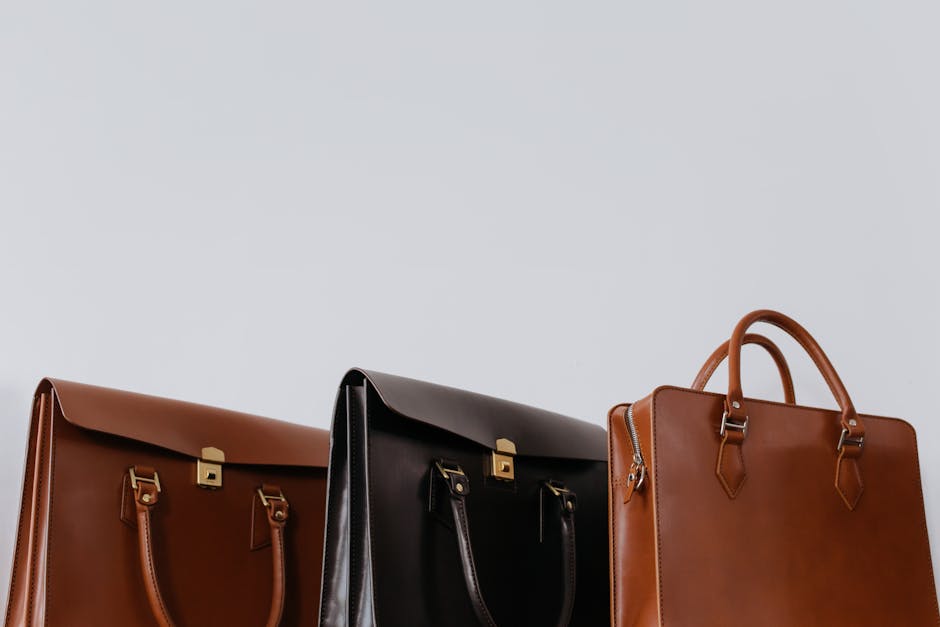
Want unmatched durability and timeless appeal? Get saddle-stitched, vegetable-tanned, full-grain leather goods with solid hardware and YKK zippers — think Von Baer or products bearing the Cuoio Superiore seal. On a moderate budget and okay with occasional wear? Machine lockstitch with top-grain or chrome-tanned leather can work but expect thinner, less durable seams. For casual accessories or low-demand items: Machine stitching and chrome-tanned leather might suffice but don’t expect longevity or easy repairs.Visual References and Resources
To see these stitching types, leather textures, and hardware details, I recommend exploring Unplash and Pexels — excellent sources for high-quality, royalty-free images. Searching terms like “saddle stitching leather” or “YKK zipper closeup” will bring up visuals that clarify these distinctions further.
Final Thoughts
Leather craftsmanship is a nuanced art full of details that define the lifespan and satisfaction of owning quality goods. By understanding the truth behind leather grades, the superior qualities of vegetable tanning, the importance of sturdy hardware, and the unmatched reliability of YKK zippers, you position yourself to make smart, lasting purchases.
When in doubt, prioritize items featuring hand saddle stitching over machine lockstitch and verify every component — from stamps on zippers to certifications on the leather itself. As a longtime user of a vegetable-tanned briefcase that has endured countless flights and meetings, I can affirm that these details add up to a lifetime of reliable use.
Happy shopping, and may your leather goods grow better with every stitch and every day.