I’ve spent Visit website the better part of three decades holding controllers, starting with the brick-like rectangle of the NES and moving through the Sega Genesis years, the PlayStation rise, and the Xbox evolution. As a moderator who has spent years watching communities interact on platforms like NoobFeed, I’ve noticed a persistent trend: no matter how high the resolution climbs or how many rays are traced on a high-end PC, we keep coming back to the games that started it all. If you are one of the many retro gaming adults struggling to reconcile modern expectations with classic console memories, you aren't alone.
The industry likes to use terms like "immersive ecosystems" and "next-gen immersion," but let's be honest—that’s mostly marketing fluff designed to sell hardware. The reality is that modern gaming often feels like a second job, complete with daily login requirements, performance anxiety, and the constant threat of burnout. When we talk about Nintendo nostalgia, we aren't just talking about pixels; we are talking about a time when gaming didn’t demand a total lifestyle commitment.
The Arcades Were the Training Ground
Before every console came with a built-in internet connection, gaming was a physical, localized experience. You went to an arcade, you stood next to someone, and you played. There was no "online toxicity" because you were looking your opponent in the eye. That tangible connection to the hardware—the heavy arcade sticks, the clunky coin slots—defined how we viewed play. It was simple, immediate, and finite.

Today, the jump to always-connected gaming has fundamentally changed the social contract of play. We moved from shared physical spaces to online lobbies, and while that has certainly expanded our reach, it has also introduced a layer of performative stress. We feel the need to be "good" because someone is always watching, whether it is through a live stream or an automated leaderboard. It’s no wonder so many of us are suffering from screen-induced sleep issues; we are never truly "off" when our consoles, PC rigs, and mobile devices are constantly pinging us with notifications.
The Price of Progress
There is a specific kind of fatigue that comes with the modern hardware cycle. If you spend time reading the community threads on sites like NoobFeed, you will inevitably run into the debate regarding the necessity of $1,000+ hardware. The industry pushes these massive power-ups as if they are life-changing, but for the average person, the return on investment is often minimal. You are paying for higher frame rates, not necessarily higher levels of joy.
In contrast, Nintendo nostalgia thrives because it rejects this cycle of perpetual technical upgrades. A Game Boy, a Super Nintendo, or a GameCube doesn't care if you haven't played in three months. It doesn't update, it doesn't require a subscription service, and it certainly won't berate you for being a "casual."
Feature Retro Console Experience Modern PC/Console Experience Maintenance Plug-and-play Updates, patches, driver installs Social Couch co-op Online matchmaking Pressure None Competitive rankings/FOMO Cost Low (Physical media) High (Hardware + Subscriptions)Community and Spectatorship
Streaming culture has turned the solitary act of playing into a spectator sport. While this has been great for exposure, it has also warped our perception of what a "gamer" is. We see streamers on their high-end PC setups pulling in thousands of viewers, and we feel like we are falling behind if we aren't part of that machine. This is where organizations like Releaf are doing vital work, encouraging a more mindful approach to tech consumption, and groups like NICE are fostering spaces that prioritize mental well-being over raw hardware performance.
I find that many people turn to retro titles precisely because they are quiet. They don't have a chat box filled with vitriol. They don't require you to be a part of an "online community" to experience the full breadth of the story. They allow you to reclaim your evening, protect your sleep schedule, and actually enjoy the few hours of free time you have left after a long day of work.
The Role of Mobile Gaming
Mainstream adoption has reached its zenith through mobile devices. Everyone has a gaming-capable machine in their pocket now. This shift has arguably pushed retro games back into the spotlight. Since the hardware in our pockets is often more powerful than the consoles of our childhoods, we use these mobile platforms to emulate the classics. It’s a convenient bridge between the past and the present.
However, we have to be careful. The mobile gaming landscape is often predatory, filled with microtransactions and "dark patterns" designed to keep you clicking. Nintendo nostalgia provides a safe harbor from this. When you load up an old title on a mobile emulator, you are paying for an experience that was designed to be fun, not designed to extract your wallet contents.
Why We Can't Let Go
Why do we still want to play these games? It is not just about the memories of sitting on a rug with a controller in hand. It is about control. Modern tech, whether it is on a PC, console, or mobile device, is designed to keep you tethered to a service. It wants to know your habits, your playtimes, and your spending patterns. Old games are effectively "offline" by default.
- Simplicity: Retro games do one thing well: they play. No hidden menus. Predictability: You know exactly what the game is from start to finish. Mental Health: Without the "always-on" pressure, you can play until you get tired, not until you burn out. Artistic Integrity: There are no "Day One" patches to fix the game later; it was released as a finished piece of work.
Finding the Balance
As a moderator, I see the constant cycle of new hype followed by inevitable disappointment. A new game releases, everyone loses their minds, and two weeks later, the community is exhausted. The beauty of returning to the games of the 8-bit and 16-bit eras is that the hype has already settled. You aren't being sold a promise of what the game *might* become with future updates. You are engaging with a completed, stable, and honestly crafted experience.
If you find yourself feeling burned out by the current industry standards, take a step back. Turn off your PC, put down your mobile device, and pick up an old controller. It isn't about being a "real gamer" or subscribing to the latest cloud gaming service. It is about remembering that at its core, this hobby is supposed to be a reprieve from the world, not a source of stress. Sleep is more important than a leaderboard position, and the ability to disconnect is the ultimate luxury in a world that refuses to turn off.
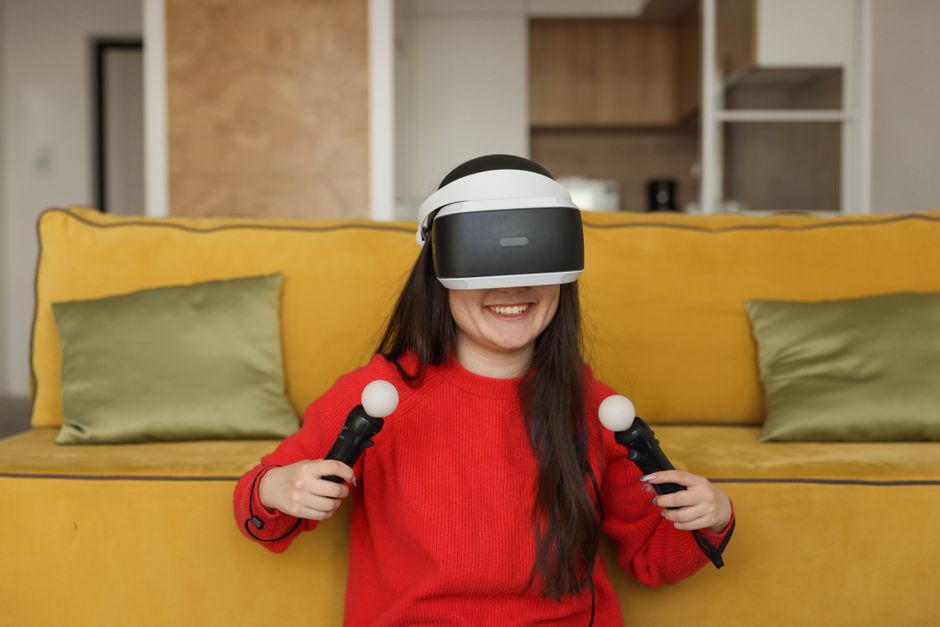
Next time you feel that itch, don't worry about the graphics or the resolution. Just find a game that makes you smile, sit back, and enjoy the silence. Your sleep cycle, and your sanity, will thank you for it.