I’ve spent the better part of 12 years walking through drafty warehouses, refurbished mill towns, and converted breweries. In that time, I’ve learned one inescapable truth: the word "industrial" is often used as a polite shorthand for "we haven’t finished the renovations yet." It drives me mad. As a venue scout, I’ve walked into too many spaces that promised an edgy, "blank canvas" vibe but delivered nothing but an echo chamber, a lack of heating, and an aisle width that would make a bridesmaid weep with stress.
When we talk about industrial venue ideas, we often look to Pinterest for inspiration. It’s an incredible tool for mood boarding, but let’s be honest: it’s dangerous for reality. A pinned image of fairy lights draped over a rusty beam doesn't show you the draft coming through the single-pane glass or the way the acoustics bounce off concrete walls until your guests have to scream their toasts at each other. Today, let’s talk about how to find an industrial space that feels like a home, not a factory floor, and why warmth—both atmospheric and literal—is the only thing that matters.
The Pinterest Paradox: Why Style Doesn't Equal Substance
You’ve likely spent hours on Pinterest building a board that oozes warm modern styling. It’s full of velvet textures, copper accents, and that elusive "brick and timber mix" that looks so effortlessly cool. But here is the professional reality: an industrial space is defined by its hard surfaces. If a venue is nothing but steel and glass, your ceremony is going to sound like it’s taking place inside a tin can.
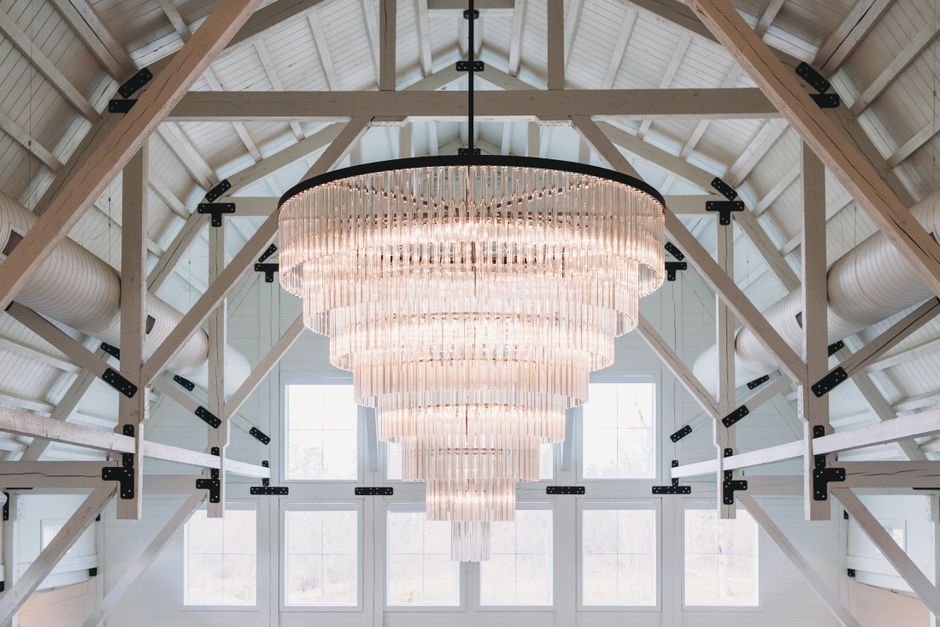
When I visit a venue, the first thing I do is stop talking. I want to hear how the room breathes. Then, I pull out my tiny tape measure. I’ve seen aisles that look wide in photos but force a bride to squeeze past chairs to reach the altar. A truly great industrial venue uses architecture—not just floor-to-ceiling decor—to anchor the room. The best venues treat their history as a feature, not just a backdrop. When a venue has authentic stories etched into its floorboards, it feels warm because it feels *lived in*.
Finding the "Warm" in Industrial: The Eskmills Benchmark
If you want garden ceremony wedding venue a masterclass in how to pull off the industrial aesthetic without sacrificing the heart of the event, look at The Venue at Eskmills (eskmillsvenue.com). Based in Musselburgh, it is a prime example of why geography and local identity matter. Unlike those "blank canvas" spaces that feel like a sterile shed you've rented for the weekend, Eskmills retains the character of its industrial past—the historic stone, the scale—but feels intentionally curated for human connection.
What I look for in these venues is the "photo-friendly" factor, but not just the obvious ones. While light-filled windows are fantastic for portraits, I look at the texture. Does the brickwork have warmth, or is it painted a cold, flat white? Is there timber involved? That brick and timber mix is essential; the wood absorbs sound, taking the edge off the harsh acoustics that define many warehouse weddings. Eskmills succeeds because it feels like a place with a soul, which is exactly the kind of authenticity I advocate for over at Want That Wedding (wantthatwedding.co.uk).
The Venue Scout’s Checklist: What to Look For
Before you commit to a contract, you need to be the detective of your own wedding day. Don't let a venue coordinator tell you "it will all come together with flowers." Flowers do not fix a bad layout or an echo. Use this guide to sanity-check your shortlist:
1. The Acoustic Reality Check
If the space is all hard surfaces, ensure they have soft interventions. Look for heavy curtains, acoustic baffles in the ceiling, or rugs. If you visit when the venue is empty, clap your hands. If the echo lasts more than a second, imagine a hundred people laughing in that space. It will be a cacophony.
2. The "Rain Plan" Realism
Every industrial venue looks good when the sun is streaming through industrial-sized crittall windows. What happens when it’s a typical rainy UK afternoon? If the venue doesn't have a transition plan that maintains the atmosphere—meaning, if you have to move to a windowless, sad "back room" for a drink reception—keep looking.
3. Aisle Width and Flow
Carry your own measuring tape. I usually look for at least 3-4 feet of width in an aisle to ensure a comfortable walk. If the venue layout is so restrictive that guests are cramped, the "warmth" of the atmosphere is lost immediately.
Comparison Table: Evaluating Industrial Venues
Feature The Cold Warehouse The Warm Industrial Venue Wall Texture Cold, unsealed concrete Exposed brick/reclaimed wood Lighting Harsh, flickering fluorescents Dimmable warmth & feature pendants Acoustics High echo, difficult for speeches Softened edges, better sound control History None (rebuilt space) Visible heritage/narrativeWhy Storytelling Makes a Space Warm
The most successful industrial weddings I’ve attended are the ones that lean into the story of the building. Was it a factory? A mill? A printing press? Use that in your decor. If the venue has massive, heavy sliding doors, don’t hide them behind pipe-and-drape—highlight them. That sense of place and local identity is what prevents your wedding from feeling like a carbon copy of a Pinterest board.
When you share your day on Facebook, X, or Pinterest, you want people to see the character of the place. You don't want them to see a generic room; you want them to see the history of the timber beams, the light hitting the original brickwork, and the genuine joy of a space that feels comfortable. Warmth isn't just about the temperature of the room; it’s about the feeling that you are exactly where you are meant to be.
Final Thoughts for the Modern Couple
Don't be fooled by the "blank canvas" trap. A truly "blank" space requires an enormous amount of money and effort to make it feel human. Instead, look for spaces that have already done the heavy lifting of restoring original features. You want a venue that has personality—the kind that makes for those stunning "photo corners" where you don't need a single extra floral arrangement because the architecture does the work for you.
Before you sign, visit the venue when it’s busy. Ask the coordinator about the sound levels during a reception. Check your measurements. And above all, trust your gut. If a venue feels cold, no amount of fairy lights will save it. Find the brick, find the timber, and find the warmth.

Planning your industrial wedding? Share your favourite venue discoveries with our community on Facebook, X, and Pinterest. Let’s keep the conversation focused on real venues and authentic stories.