If you were to open my Notes app right now, you wouldn’t find a neatly curated bucket list of holiday destinations. Instead, you’d find a running tally of my personal "Stain Hall of Fame." Last week alone, I logged a particularly aggressive turmeric-based curry, three cups of black coffee, and a glass of robust Malbec that left me contemplating if my smile had officially transitioned from "off-white" to "cricket ball."
After nine years of testing beauty products, from the latest retinoids to the most obscure at-home aesthetic treatments, I’ve learned that the beauty industry has a penchant for hyperbole—especially when it comes to teeth whitening. We live in an era of digital visibility. Between hours of staring at our own faces on Zoom and the pressure to have a "grid-ready" smile on Instagram, the demand for brighter teeth has exploded. But with that demand comes a tidal wave of whitening marketing hype designed to make you believe you can achieve a Hollywood veneer-level transformation while you sleep. Spoiler: You can’t.
The Psychology of the "Perfect Smile"
Smile aesthetics have become the new frontier of modern self-care. It’s no longer just about oral hygiene; it’s about how we present ourselves to the digital world. We’ve become hyper-aware of every shade variation, and marketers know exactly how to exploit that insecurity. They sell you a lifestyle, promising that a brighter smile will lead to more confidence, more likes, and better meetings.

However, when you see those "before-and-after" photos, take a breath. I’ve seen enough studio lighting setups in my time to know that a different light temperature or a simple increase in exposure can make yellowed teeth look like pristine porcelain. As a product tester, my job is to cut through that noise. If a brand isn’t showing you the product in your bathroom mirror under harsh, unforgiving overhead lighting, they aren’t showing you reality.
How Whitening Gels Actually Work
To identify unrealistic results, you first need to understand the mechanism of action. Most legitimate at-home kits use hydrogen peroxide or carbamide peroxide. These agents work by penetrating the enamel to reach the discolored molecules within the tooth structure, breaking them down through oxidation.
Here is what the marketing hype misses:
- Surface Stains vs. Intrinsic Staining: Whitening gels are brilliant at lifting external stains from coffee, tea, and curry, but they have a biological limit. They cannot change the natural color of your dentin (the layer beneath the enamel). The Timeline: If a brand claims you’ll see a "four-shade difference in 30 minutes," be extremely skeptical. Real, enamel-safe whitening is a marathon, not a sprint. It happens in the margins of your day—after you’ve brushed your teeth or while you’re catching up on emails. Sensitivity: If the marketing copy ignores tooth sensitivity entirely, run. Genuine medical-grade products, like those recommended by the UK Oral Health Foundation, will always prioritise the health of your gums and enamel over the speed of the whitening result.
The "Missing Price" Red Flag
One of my biggest pet peeves when vetting beauty products is the "hidden price" strategy. You see an ad on Instagram, you click through, and you’re met with a lifestyle video, a generic testimonial, and a "Get Started" button—but nowhere on that landing page is the actual price stated clearly.
Here's what kills me: when you encounter a site that hides the cost behind a sign-up wall or a "get a quote" mechanism for a basic whitening kit, it’s a major warning sign. Transparency is the hallmark of reputable brands. Companies like Parlor Beauty and Smile4You provide clear pathways to their products, focusing on the quality of the formula rather than high-pressure conversion tactics. If a company won’t tell you the price upfront, they are likely banking on the "sunk cost fallacy"—hoping that once you’ve invested time entering your details, you’ll be too committed to back out.
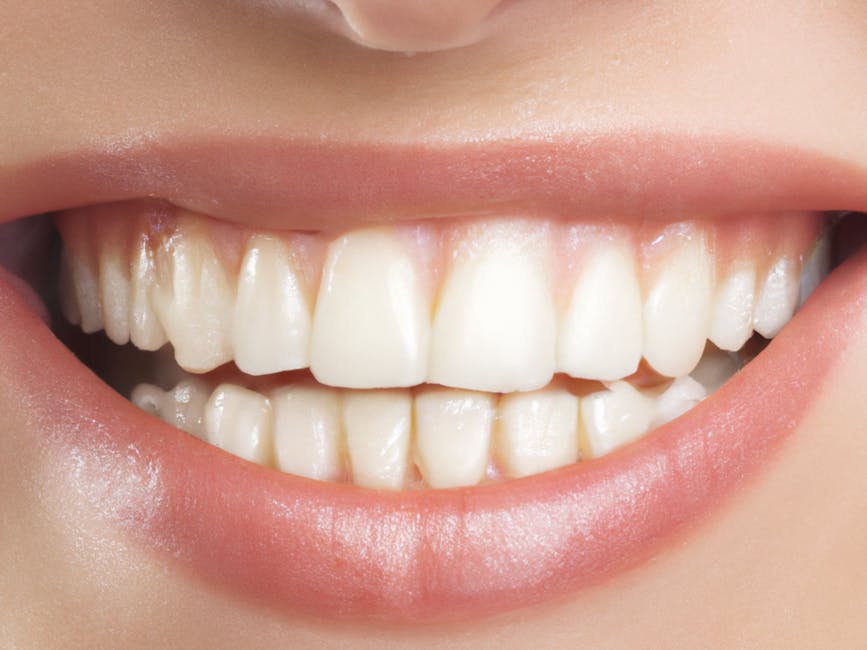
Comparison: Realistic vs. Hype
To help you practice skeptical beauty buying, I’ve put together a table to help you distinguish between honest clinical claims and pure marketing fantasy.
Claim Type The Marketing Hype The Realistic Expectation Result Speed "Whiter teeth in just one hour!" "Visible brightness improvements within 7–14 days." Shade Changes "Up to 10 shades whiter." "Lifts surface stains to reveal your natural tooth shade." The Evidence "Clinical results" (often with no citations). Evidence-based, UK-standard regulation compliance. Pricing No price listed; "Get your exclusive offer." Clear, upfront pricing with transparent ingredients.How to Shop Like an Editor
When I’m testing a new kit, I don't look for the brand that promises me a smile that glows in the dark. I look for the brand that respects my teeth. Here is how you can shop with the same level of caution:
Check the Ingredient List: If the brand uses terms like "proprietary whitening blend" without listing the actual active ingredients (like Hydrogen Peroxide or PAP), close the tab. You have a right to know what is sitting against your enamel. Look for Third-Party Validation: Search for the brand on the UK Oral Health Foundation website. If a company claims to be "dentist-approved," verify that the dentists involved are actually registered with the GDC (General Dental Council). Ignore the "Overnight Miracle" Claims: Any product claiming to fix years of coffee and curry stains in a single sleep cycle is either ineffective (and therefore a waste of money) or potentially damaging to your enamel. Test Against Your Lifestyle: Does the kit fit into your real-life routine? I prefer treatments I can use while I’m doing my evening skincare or while I’m finishing my last Zoom call of the day. If the routine is too arduous or requires excessive "prep time," you won't stick to it. realistic teeth whitening gel resultsFinal Thoughts: The Power of Healthy Expectations
At the end of the day, your smile is yours to care for. It doesn't need to be blindingly white to be healthy or attractive. Marketing teams want you to chase an impossible standard because that keeps you buying new products every month. By staying skeptical and demanding transparency, you aren't just saving your money—you're protecting your oral health.
Next time you find yourself scrolling through an ad for a "miracle" whitening pen, remember my Notes app list. Real life involves stains, and that’s perfectly normal. Keep your routine simple, stick to brands that value honesty over hype, and remember that your confidence should never depend on a marketing claim.. But it's not a one-size-fits-all solution