If you’re a dedicated motorsport fan, race weekend means more than just watching the cars battle on track. It’s about soaking in every interview, dissecting data points, and staying ahead of the non-stop news stream that builds the narrative from practice sessions to post-race reflections. But between multiple onboard camera angles, live timing screens, and a relentless flow of media clips, how do you keep up with driver interviews without missing the crucial bits?
The Race-Weekend Build-Up: A Nonstop News Cycle
Motorsport weekends have become extended storytelling events rather than just a race on Sunday. From Thursday press conferences to the sprint races or qualifying battles, the amount of content to absorb can feel overwhelming. Drivers provide insights and reactions not just once but repeatedly across the weekend. Media outlets like Frontstretch and Motorsport UK offer comprehensive coverage with quick-turnaround interviews that capture the evolving mood, strategy puzzles, and behind-the-scenes updates you won’t want to miss.
For instance, you might catch a veteran driver discussing tire degradation challenges mid-practice, then later hear a younger contender’s take on surprising pit stop timings after qualifying. That’s where tracking driver interviews becomes an essential part of following race weekend news—keeping your finger on the pulse of team strategy and weather forecasts as they change.
Why Driver Interviews Matter More Than Ever
Drivers don’t just talk about personal ambitions; their comments provide fans and analysts with clues about fuel windows, tire choices, and pit stop plans. When a driver mentions struggling on new tires or hoping for a safety car, it feeds into the larger game of in-race strategy analysis. For those obsessed with data culture, these interviews add context to telemetry, lap times, and sector splits that you watch obsessively on live timing screens.
Strategy Obsession: Tires, Fuel, Weather, Pit Stops
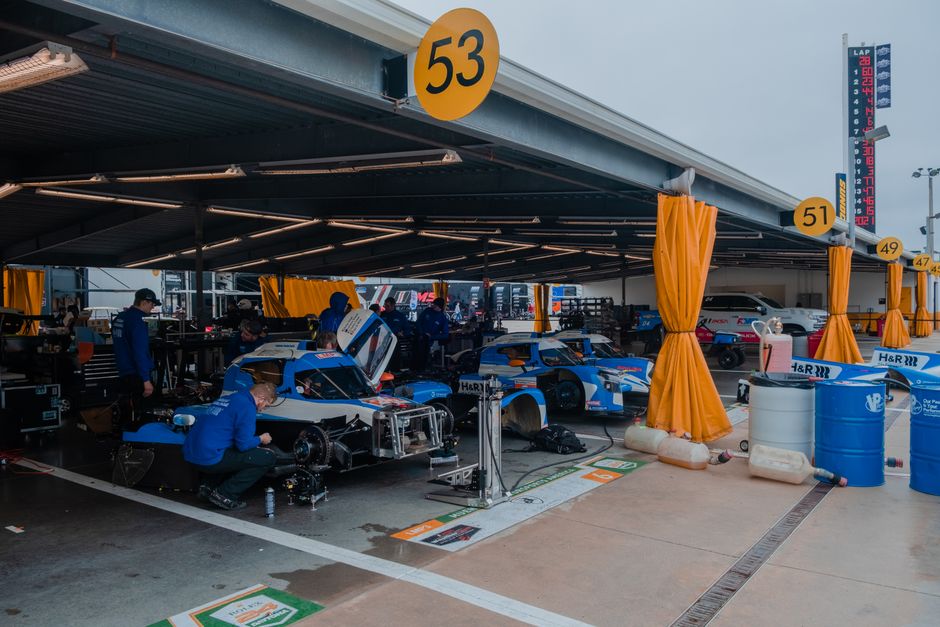
A key part of driver interviews revolves around strategy talk. Tire management is a huge topic—especially with NASCAR's constantly evolving tire compounds or Formula 1’s fine-tuned multi-compound race restrictions. Fuel load strategies and the timing of pit stops can make or break a race, and drivers often drop hints about what their team is planning.
- Tires: The second stint with used tires or switching to a hard compound—drivers share their preferences and struggles, which are invaluable when paired with your live timing data to predict who might gain an advantage. Fuel windows: Sometimes drivers reveal if they’re stretching fuel or expecting an undercut attempt, adding an exciting layer of anticipation. Weather conditions: Weather changes can shift entire race strategies; drivers' comments about grip on a damp track or forecasts help fans align expectations with what they see on track. Pit stops: Insights on whether teams are pushing for blistering stops or opting for conservative strategies give depth to what happens during those crucial minutes in the pit lane.
These strategic nuggets transform seemingly routine interviews into vital puzzle pieces. When you’re watching live timing screens, combined with multiple onboard cameras giving immersive views of drivers’ reactions during stops and in-lap, this layered understanding turns a second-screen into a tactical dashboard.
Data Culture: Telemetry, Lap Times, and Sector Splits
For the tech-savvy fan, the joy comes not only from driver interviews but connecting those words with hard data. Online live timing platforms frontstretch and race broadcasters pack telemetry information, sector splits, and tire wear analytics. As you watch a driver talk about struggling in sector two or obeying instructions to conserve fuel, you can immediately check the data to confirm or dive deeper.
Data Point Fan Use Correlation With Interviews Lap Times Spot performance trends across sessions Driver mentions poor handling on lap 10, backed by lap time drop Sector Splits Analyze where time is lost or gained on track Driver talks about sector 3 difficulty; sector splits show slower times Telemetry Understand throttle, brake inputs, and tire wear during laps Driver interview highlights brake problems; telemetry shows braking irregularitiesThis kind of cross-referencing transforms you from passive viewer to expert analyst, making every driver media clip valuable. It also enhances second-screen viewing, turning race broadcasts into immersive experiences rather than simple passivity.
Second-Screen Viewing and Immersive Broadcasts
Nowadays, no fan watches motorsport alone. The second screen—be it a smartphone, tablet, or laptop—is where fans follow live timing, team radio transcripts, and social media reactions simultaneously as the TV broadcast runs. Platforms like MrQ (popular for race trivia and fan interaction) add another layer of engagement during commercial breaks or quieter moments on track.
Immersive broadcasts have also brought multiple onboard cameras directly to your seat. You can switch views from helmet cams, rear-facing cameras, or pit lane feeds while keeping an eye on the live timing screen. When a driver interview drops in the feed, you can capture facial expressions or body language that support their verbal takeaways on race dynamics.
Together, these tools enable you to:
Watch the race unfold in real time with rich data overlays. See driver interviews in quick clips between sessions or post-race wrap-ups. Engage with fellow fans in live forums or social streams complementing the interviews. Note discrepancies or confirmations between what drivers say and what the data reveals.Tips for Staying on Top of Driver Interviews All Weekend
Given the relentless pace of race weekends, here are practical tips to help you keep up without scrambling:
- Use notifications: Follow key outlets like Frontstretch and Motorsport UK for instant updates and media clips. Many publish condensed text highlights and interview video snippets. Schedule breaks around sessions: Interviews tend to happen during open paddock times, after practice, qualifying, and immediately after the race. Having a few minutes set aside for these moments helps you catch fresh commentary. Leverage multi-device setups: Watch the broadcast on TV while scrolling social media or live timing on a tablet or phone to catch media clips posted live by teams and journalists. Bookmark and revisit: Some interviews are best digested after the initial rush when you can watch longer format discussions or press conference highlights once the immediate adrenaline settles.
Conclusion: Driver Interviews Are Integral to the Modern Race Weekend
Race weekend news isn’t just about who will take pole or what lap time someone sets—it’s about piecing together a live story made richer by driver insights. These interviews, layered with tire saga details, fuel strategies, and weather changes, harmonize with the telemetry and multiple camera feeds you watch through that second screen. Whether you’re tracking sector splits or catching live commentary from Frontstretch, Motorsport UK, or even fan engagement apps like MrQ, driver interviews are the connective tissue that transforms race weekend from a simple event into an engrossing multi-dimensional experience.
So next time you feel trapped by the volume of drivers talking all weekend, use it as your gateway to smarter viewing. Let the data guide you, and the words of drivers complement what you see on live timing screens and immersive camera angles. This mix is exactly what makes following motorsport today stimulating and endlessly rewarding.