As a Pilates instructor and studio manager with over a decade of experience teaching mat and reformer classes, I understand how crucial it is to use music as an enhancing background tool — not the star of the show. Music plays a pivotal role in setting the ambiance, pacing movements, and even motivating your clients during sessions. However, if not carefully selected and cued, it can conflict with the breath cues that form the foundation of effective Pilates practice.
In this comprehensive guide, I’ll walk you through practical steps to keep your music and breath cues harmoniously aligned. Along the way, I’ll share useful tips on volume control, tempo selection, and instrumentals versus lyrics—all crucial for a smooth, safe, and engaging Pilates experience. Let’s dive in!
Music as a Background Tool, Not the Star
Pilates is all about precision, mindfulness, and breath control. When music takes center stage, it often distracts clients from the subtle instructions and internal focus that Pilates demands. Your goal is to create an immersive environment that supports your voice, not competes with it.
- Keep volume low: The background music should be easily audible but never overpower your instructions. If participants strain to hear your breath cues, the music is too loud. Test your speaking volume: Before class begins, do the “can I speak normally?” test. If you have to raise your voice or yell over the music, dial it down. Choose non-intrusive tracks: Instrumentals or songs with minimal lyrics work best because they don’t pull the listener’s attention away from your voice.
Tempo Selection by Class Type (BPM Matters)
Tempo is king when it comes to synchronizing music with Pilates movements and breath cues. Having playlists labeled by BPM (beats per minute) rather than abstract vibes helps you tailor your music to the class intensity.
Matching BPM to Movement Intensity
Class Type Recommended BPM Range Description Gentle Mat & Stretch 60-75 BPM Low tempo to promote calm, focused breathing and slow movements Classic Pilates Reformer 75-100 BPM Moderate tempo to match controlled yet dynamic flow of exercises Cardio or Advanced Power Pilates 100-120 BPM Upbeat pace to energize movements while still respecting breath patternsDiaphragmatic breathing patterns in Pilates often align naturally with slower music. Using fast, hard dance tracks can cause a conflict where breath cues and music rhythms become disjointed, and you lose client focus and cohesion.
Instrumental vs. Lyrics in Cue-Based Classes
This is a big one. When clients try to process lyrics while you’re providing precise breath and movement instructions, cognitive overload happens. Here’s what I’ve learned over years:
- Strictly instrumental or minimal vocal tracks: Preferred during footwork, breathing sequences, and any cue-heavy segments to avoid distraction. No lyrics during footwork: This rule helps maintain the meditative rhythm of breath and movement. If you use vocal music: Pick songs with simple or repetitive lyrics that won’t compete with your voice.
Both Spotify and Apple Music offer playlists labeled by BPM and genre, which you can create or customize for your classes. Remember, personal accounts of these platforms should only be used for personal use—not in commercial or business settings. For the business, consider licensing options or royalty-free music sources.
Volume Safety and Teacher Vocal Health
Ever notice how your voice is your primary tool. Overly loud music forces you to raise your voice, causing strain and potential damage over time.
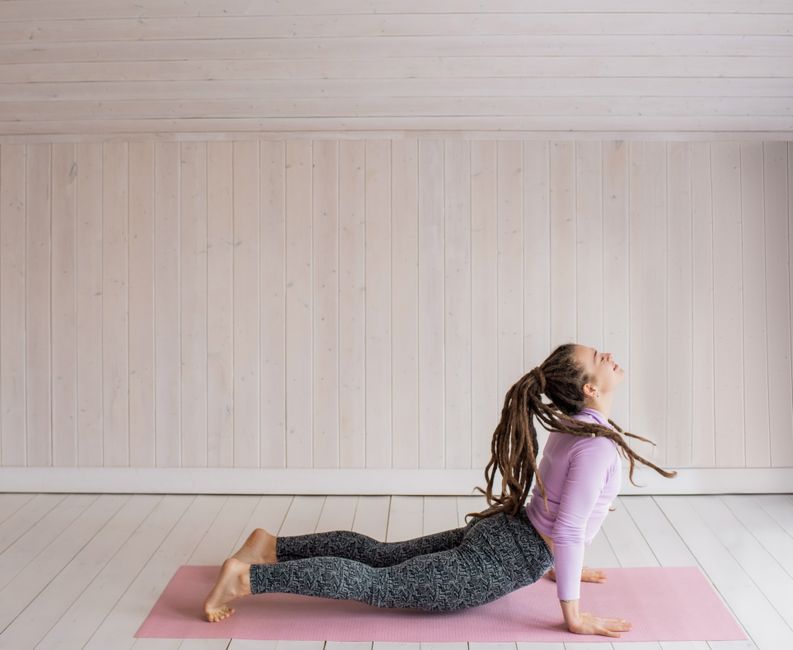
Tips to Protect Your Voice and Maintain Volume Safety
Keep volume levels below 60% of your speaker's max output: This prevents the need to shout. Use quality speakers with balanced sound: Avoid bass-heavy systems that mask vocal frequencies. Consider a microphone if teaching large groups or noisy locations: But use this sparingly to avoid dependence. Monitor participant feedback: Some clients may struggle to hear you; adjust accordingly.By respecting your voice and your clients' auditory comfort, you ensure long-term sustainability as an instructor and create a more enjoyable environment.
Recommended Product Spotlight: Heart Alignment
If you want to curate beautifully crafted Pilates-friendly music without the hassle of making playlists from scratch, check out Heart Alignment. This specially designed music collection focuses on aligning breath, movement, and music harmoniously, and it’s priced at $49.00 USD.
It features:

- Instrumental tracks optimized for Pilates flow Multi-BPM selections matching varied class intensities Clear, non-distracting melodies to support breath cues
Though you’d still want to check licensing and intended use per your business, Heart Alignment is a great resource for those seeking music that meditationmusiclibrary.com respects Pilates' unique needs.
Summary: How to Keep Music and Breath Cues in Sync
- Always prioritize your voice; keep music as a supportive background. Select tempos by class type using BPM to match movement and breath. Use instrumental or minimal lyric music to avoid cognitive clashes. Maintain low volume to protect your vocal health and ensure instructions are clear. Use platforms like Spotify or Apple Music for personal playlist creation, but follow usage guidelines. Consider curated products like Heart Alignment for professional-quality Pilates music.
With attention to these details, you’ll create a Pilates environment where music complements breath—not competes with it—making each class more immersive, mindful, and effective.
Ready to fine-tune your Pilates soundtrack? Start with the “can I speak normally?” test next time you play your music, and adjust from there!