I’ve spent the better part of twelve years trekking through the wild, wind-battered coastlines of Northumberland and the historic, granite-lined streets of Edinburgh, tape measure dangling from my bag like a talisman. I’ve seen enough "stunning" venues to fill a lifetime of Pinterest boards, but rarely have I seen one that truly understands the logistical heavy lifting required for a multicultural wedding ceremony. When I walk into a room, my first instinct isn't to look at the floral arrangements; it’s to clap my hands once and listen to the reverb. When a room fills with a hundred guests, does that sound turn into a muffled, incomprehensible drone, or does it hold the gravity of the vows being spoken?
Many couples hunting for a multicultural wedding venue are told that "heritage" means "restrictive." They are sold the lie of the "blank canvas"—usually a soulless white tent—as the only way to accommodate diverse traditions, such as a Mandap, a Chuppah, or a multi-day celebration. But is that true? Or have we just stopped asking heritage venues to do better?
The Architecture of Inclusivity: Why Heritage Matters
There is a unique architectural texture to a building that has stood for two hundred years. You cannot replicate the depth of light hitting a deep-set Georgian window with a generic, modern event space. For couples who value storytelling and history, the atmosphere of a heritage venue provides a grounding, local identity that feels permanent. This is not about the aesthetic; it is about the "sense of place."
When I scout a venue, I look for venue inclusivity—not just in their guest policy, but in their physical flexibility. A venue that forces a rigid, one-size-fits-all ceremony layout is, by definition, excluding any couple whose culture demands a different spatial logic. A heritage venue with thick, load-bearing walls shouldn't be an obstacle; it should be a challenge to the coordinator to think creatively about flow, movement, and the placement of symbolic elements.
I recently visited an old estate where the coordinator claimed the aisle was "sufficient." I pulled out my tape measure—a habit that keeps me grounded—and realized it was exactly 42 inches wide. If you are planning a large-scale traditional procession, you don't just need room for a dress; you need room for family, for ritual, and for the breathing room that makes a ceremony feel intentional rather than rushed.

The "Blank Canvas" Myth
Let’s be clear: I have a deep-seated annoyance with venues that promise a "blank canvas" as if it’s a gift. Usually, what they mean is, "We haven’t invested in our layout, so you have to bring in thousands of pounds worth of decor to hide the peeling paint and the awkward pillars."
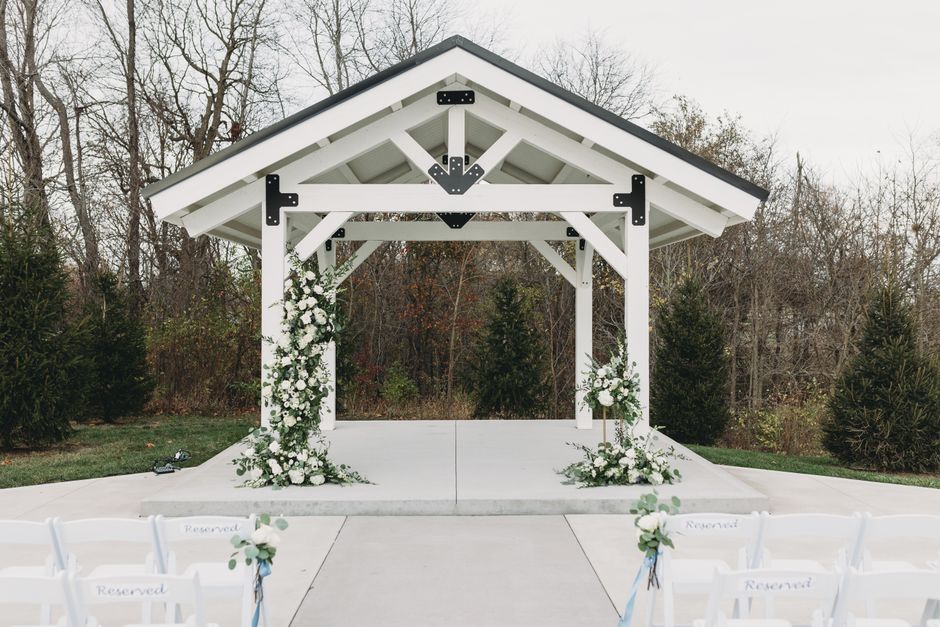
A true heritage venue with character provides its own decor. The history of the building, the stone, the wood, the original floorboards—this is the backdrop. When a venue is honest about its limitations, it actually makes the flexible ceremony setup easier. If a coordinator knows exactly where the load-bearing beams are, where the light hits at 3:00 PM, and exactly how the sound travels when the floor is crowded, they can design a layout that respects both the architecture and the culture.
Take The Venue at Eskmills (eskmillsvenue.com) as a prime example of this balance. It’s a masterclass in how to retain industrial heritage while providing the clean, adaptive lines required for a variety of wedding styles. They don’t hide their history; they leverage it. They understand that a ceremony isn’t just about the altar; it’s about the flow of guests, the accessibility of the space, and the adaptability required to move from a morning ritual to an evening reception.
Comparison of Venue Philosophies
Feature The "Blank Canvas" Approach The Heritage/Adaptable Approach Atmosphere Minimalist/Sterile Rich, historical narrative Setup Flexibility High, but requires heavy decor Strategic, working with existing layouts Photo Opportunities Requires lighting rigs Natural, directional window light Logistics Often ignored until too late Refined through years of site experiencePinterest vs. Reality: The Photo Corner Trap
We are all guilty of the Pinterest spiral. You see a beautifully curated photo of a floral-covered mandap and you assume it will look exactly like that in your chosen venue. But Pinterest often ignores the "rain plan realism." What happens when it pours? Does the transition from the indoor ceremony to the outdoor cocktail hour flow seamlessly, or are you dragging your guests through a narrow, dark corridor?
I mentally rank venues by their "photo corners" and their "rain plan realism." If a venue cannot show me a photo of a ceremony in their main space on a grey, rainy day that still looks romantic, they haven't planned for their environment. When planning a multicultural ceremony, you need to ensure that the "photo-friendly" details—the windows, the architectural relief, the landscapes—remain accessible regardless of the weather. Don’t fall for the glossy social media posts on Facebook or X without checking the venue’s floor plan for a wet-weather alternative.
How to Assess a Venue for Your Cultural Ceremony
If you are looking for a venue that honors your traditions, stop asking if it’s "stunning" and start asking the hard questions. Use resources like Want That Wedding (wantthatwedding.co.uk) to find inspiration, but bring my professional scrutiny to your site visits. Here is how you can stress-test a space:
The Acoustic Check: Bring a friend, stand at opposite ends of the room, and speak in a normal tone. If you can’t hear each other clearly over the echo, think twice. The Tape Measure Test: Measure the aisle, the entrance points, and the width of the doorways. Can a large bridal party pass through comfortably? Can a ceremonial structure be carried through without disassembly? The "Pivot" Plan: Ask the coordinator: "If it rains, how does the layout change?" If they say "we just put it in the corner," walk away. You need a dedicated, respectful alternative space. Cultural Sensitivity in Layout: Ask if they have hosted similar ceremonies before. It’s not just about space; it’s about respect for specific rituals, incense, lighting, or fire elements.
Sharing Your Journey
In our digital age, the social sharing of wedding planning has become a community effort. Whether you are posting your venue hunt progress on Pinterest to organize your thoughts, sharing snippets of your site visits on Facebook, or firing off quick questions to venue coordinators on X, keep the focus on the https://smoothdecorator.com/is-a-light-filled-wedding-venue-better-than-a-moody-one/ reality of the space.
There is a growing movement of couples who are tired of the "stunning" marketing fluff. They want venues that reflect who they are—their heritage, their family traditions, and their future. Heritage venues are perfectly capable of hosting these moments, but only if they are honest about their architecture and willing to adapt. Don't look for a venue that pretends to be a blank page; look for one that has a story of its own, waiting for you to styling a Victorian mill wedding add the next chapter.
My final piece of advice? Carry a small tape measure in your handbag. It is the single most effective way to separate the dream-selling venues from the ones that are actually built to host your big day. Because a beautiful photo is temporary, but a well-planned ceremony? That’s something that sticks with you for a lifetime.