If you have spent any time on Instagram lately, you’ve likely fallen into the "Smile Aesthetics" trap. We are all living in a digital-first era where a Zoom call is as likely to be a career-defining moment as an in-person boardroom meeting. Consequently, the pressure to have a bright, camera-ready smile has moved from the realm of vanity to the category of modern self-care. But here is the truth—the "overnight miracle" claims you see plastered across social media are, quite frankly, nonsense.
As someone who has been testing at-home beauty treatments for nine years, I have seen every "miracle" kit under the sun. I keep a running list in my notes app of the specific culprits that cause stains each week—last week, it was that third-day-in-a-row turmeric latte and a particularly bold Malbec. When I hear readers complain that their whitening gel is "slow," my first question isn't about the product—it's about their habits.
Let’s cut through the marketing fluff and look at what actually dictates your whitening progress.
The Science of Patience: How Whitening Gels Really Work
Before we blame the gel, let’s talk chemistry. Whitening gels, whether you are sourcing them from reputable UK-based experts like Parlor Beauty or professional-grade kits via Smile4You, primarily use hydrogen peroxide or carbamide peroxide. These agents penetrate the enamel to break down the molecular bonds of stains. They don't just "buff" the surface; they actually alter the internal shade of the tooth.
If your progress feels stagnant, it’s rarely because the gel is "weak." It’s because the rate of oxidation (the whitening process) is being cancelled out by the rate of re-staining. Think of it like trying to mop a floor while someone is continuously walking across it with muddy boots. If you are ignoring the basics of stain causing habits, no amount of professional gel will give you the results you’re after.
A Note on Transparency: The Price Tag Problem
One of my biggest professional pet peeves is the industry’s trend of hiding pricing in scraped marketing text or vague landing pages. If a brand isn't upfront about the cost of their whitening systems, take it as a red flag. Transparency in pricing usually correlates with transparency in ingredient lists. Always look for brands that clearly outline their peroxide percentages and provide clear, usage-based pricing before you commit.
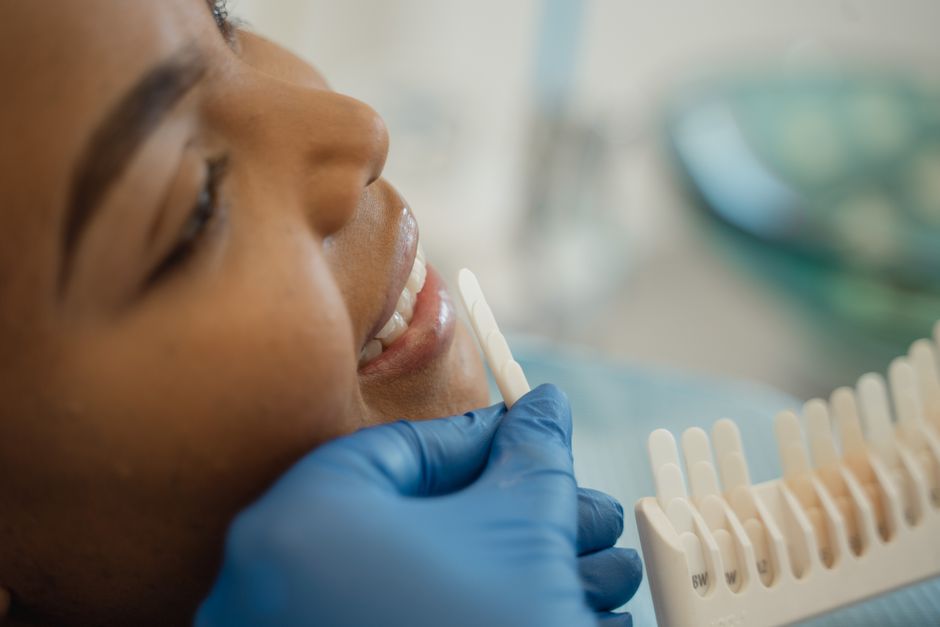
The "Stain Audit": Habits That Matter
I time my whitening routine around real-life habits rather than lab conditions. If you are applying your gel in the morning and immediately drinking a flat white before your first Zoom call, you are effectively neutralizing the treatment. According to the UK Oral Health Foundation, it is vital to understand that your teeth are most porous immediately after a whitening treatment. Using the gel and then introducing staining agents is a recipe for a plateaued result.
The "Coffee, Tea, Wine" Habits Table
To help you track your own habits, I have put together a breakdown of how your daily choices interact with your whitening progress.

Bridging the Gap: Your Routine vs. Real Life
We all have different lives. Some of us are parents, some are busy professionals, and most of us are simply tired by 9 PM. If your whitening routine is "ideal lab conditions" (i.e., not eating for four hours, avoiding all color-pigmented foods), you will fail. Instead, integrate whitening into your established habits.
The Pre-Brush Purge: Always brush your teeth *before* applying your whitening tray. Plaque acts as a barrier; if you put gel over plaque, the gel won't reach the enamel. The Zoom Buffer: If you have back-to-back video calls, avoid drinking anything besides water. This is your "recovery time" where your enamel is least susceptible to new stains. Sensitivity Awareness: A major irritation of mine is instructions that ignore tooth sensitivity. If your teeth feel "zingy" or sharp, stop. Give it 24 hours. A sensitive tooth is an inflamed tooth, and inflamed teeth are prone to faster staining. If you notice sensitivity, switch to a remineralizing toothpaste for two days.Digital Visibility and the "Selfie" Standard
Let's address the elephant in the room: Instagram. The "before-and-after" photos you see are best way to whiten crowns often manipulated by lighting, aperture, and, quite frankly, digital filters. As an editor, I see these daily. They are usually taken in different lighting conditions or from slightly different angles to trick the eye. Do not measure your progress against an influencer’s edited feed. Measure it against your own baseline.
My advice? Take a photo of your smile in the exact same spot in your house—near a window, no flash—every Sunday morning after you’ve brushed. That is your true data. If you are seeing a slight shift, you are succeeding. Whitening is a marathon, not a sprint.
Final Thoughts: Consistency Beats Intensity
If you find that your whitening progress has stalled, don't double the amount of gel you use. That is a fast track to chemical burns on your gums and extreme tooth sensitivity. Instead, audit your coffee, tea, and wine habits. Are you rinsing with water after those morning coffees? Are you allowing your enamel time to rest?
The goal is to maintain a smile that you feel confident about on a Zoom call or in a selfie, without destroying your enamel or your bank account. Stick to trusted providers, be realistic about the stains you consume, and stop expecting the "overnight miracle." A bright smile is a result of consistent, moderate effort—much like the rest of our skincare routines. Keep your notes app updated, track your triggers, enamel safe teeth whitening brands and don't let the marketing noise distract you from the reality of your own progress.
Stay hydrated, rinse often, and remember: your smile is a feature of your life, not a filter-dependent accessory.