Welcoming a newborn into your life is a joyful chaos filled with beautiful moments—and often a lot of laundry. One challenge many new parents face is dealing with their baby's sensitive skin and the dreaded clothing rashes that can show up seemingly overnight. Understanding what causes these rashes is vital for keeping your baby comfortable, happy, and rash-free. In this post, we'll dive into the key causes of clothing rashes on newborns, focusing on quality over quantity, newborn growth realities, fabric choices, and comfort-first dressing. Plus, we'll naturally weave in some favorite brands and useful online tools to support your parenting journey.
Why Do Clothing Rashes Appear on Newborns?
Newborn skin is incredibly delicate and sensitive. It acts as a protective barrier but is still developing and adapting to the outside world. Clothing-related rashes most often result from:
- Overheating baby clothing: When a baby gets too warm, sweat and moisture build up, often causing red, irritated patches where fabric rubs against the skin. Scratchy fabric newborn clothes: Materials that feel coarse or stiff can irritate delicate skin, especially in the first few weeks. Irritation from seams and tiny fastenings: Baby clothes with rough or bulky seams, tight tags, or fiddly snaps and buttons can create friction and pressure points that lead to rashes.
Quality Over Quantity: Why It Matters More Than Ever
One recurring mistake many parents make is buying too much clothing for their newborn, hoping to be prepared for every eventuality. However, newborn sizes are notoriously unreliable in duration—often outgrown in a matter of weeks. More clothing means more laundry loads and a higher chance of irritating fabrics rubbing against sensitive skin throughout the day.
Instead, focusing on quality over quantity helps you choose garments that prioritize softness, breathability, and easy changes. For example, 3 Little Crowns (3littlecrowns.com.au) offers beautifully crafted pieces that are timeless and made with breathable natural fibers—perfect for a comfort-first wardrobe that will adapt as your baby grows.
Tips for Choosing Quality Newborn Clothes
- Opt for organic cotton or bamboo fabrics that are known for being gentle and breathable. Avoid synthetic blends that can trap heat and moisture, contributing to overheating baby clothing issues. Look for knitted tunics or blankets that have a soft hand feel and flexible stretch. Choose clothing with minimal seams, or at least flat seams, to reduce irritation from seams. Avoid scratchy fabric newborn designs, no matter how cute they look in pictures.
Newborn Growth and Sizing Reality: A Practical Outlook
This is where many parents go wrong by buying bulk newborn sizes. Newborns typically outgrow that first size in just a few weeks, meaning a lot of clothes might only get worn once or twice. Clothes also shrink slightly after washing, which makes frequent replacements inevitable.
Thinking about washing cycles before buying new clothing is a habit I always urge new parents to adopt. Consider how many laundry loads a tiny outfit might go through—and the toll that laundry will take on fabric softness and shape. Choosing pieces that hold up well through washes (like those from 3 Little Crowns) and that fit comfortably across multiple washes is a smarter, resource-savvy approach.
Fabric Choice and Breathability: The Cornerstones of Rash-Free Newborn Wear
When hunting for soft, comfortable clothes for your newborn, fabric choice is crucial. Improper fabric can cause overheating baby clothing situations that encourage rashes, especially if the outfit traps sweat and heat instead of letting your little one’s skin breathe.
What Fabrics Work Best?
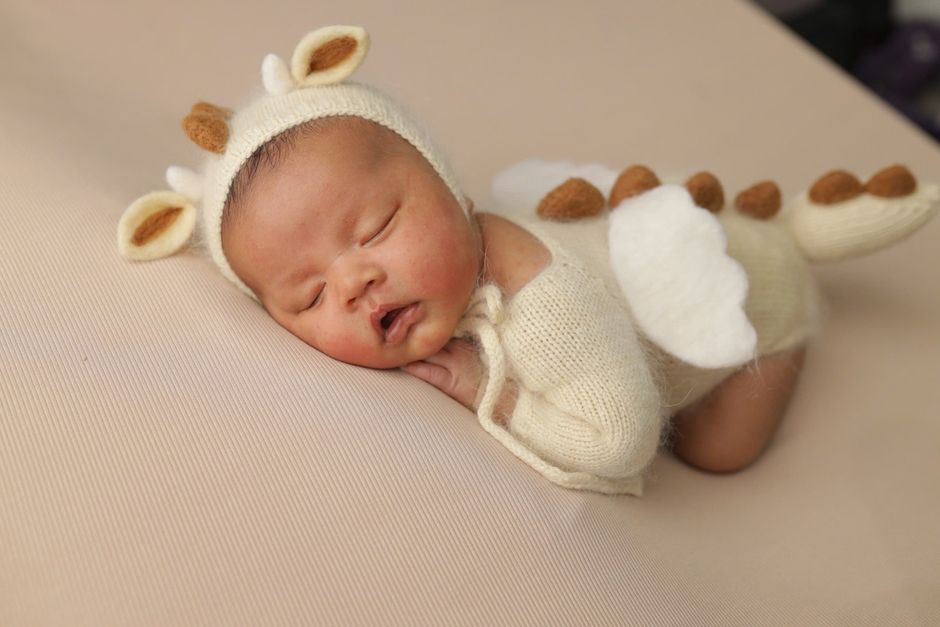
Natural fibers like organic cotton, linen, bamboo, and silk blends are top choices because they are breathable, moisture-wicking, and gentle to skin. These fabrics reduce clamminess and irritation, making them a worthy investment.
On the other hand, synthetic fabrics such as polyester or nylon blends tend to trap heat and cause sweating underneath, leading to redness and rash formation. I always steer my friends away from those fancy outfits with sparkly or stiff elements marketed as "cute," since they often irritate both baby and laundry routines!
Checking the Seams and Fastenings
Even the softest fabric can become irritating when seams are bulky or where fastenings pinch. Newborn clothes with tiny buttons, difficult snaps, or tight elastic waistbands slow down nappy changes, creating unnecessary friction and discomfort.
When dressing your newborn, prioritize garments that are designed to make diaper changes quick and smooth—ones with front snaps or lap neck openings—and avoid clothes with tags and tight seams https://momtasticmommyblog.com/2026/06/24/why-quality-matters-when-building-a-newborn-wardrobe/ that rub against sensitive skin.

Comfort-First Dressing for Your Newborn
Ultimately, newborn clothing should prioritize comfort above all. Here are my favorite guidelines to keep your baby rash-free and fuss-free:
Layer your baby in light, breathable fabrics that are easy to remove. Watch for overheating: a good rule of thumb is one layer more than what you would wear comfortably yourself. Use timeless knitted pieces or flexible cotton garments from brands like 3 Little Crowns to keep baby cozy without restricting movement. Change clothes frequently if your baby has spit-up, drool, or diaper leaks to prevent moisture build-up on skin. Minimize tags and remove any unnecessary labels inside clothing that can scratch.Useful Online Tools to Stay Inspired and Informed
Finding the best newborn clothes and tips goes beyond local stores—there’s a wealth of visual inspiration and practical advice online. I often browse Pinterest for soft fabric picks and newborn dressing hacks. Sharing and connecting through social media also helps solidify knowledge:
- X (formerly Twitter) for quick parenting updates and community advice. Facebook parenting groups for more detailed discussions. LinkedIn for professional insights on children's health and clothing brands. Reddit forums for experience-sharing and product reviews. Tumblr for aesthetic ideas on newborn wardrobes and knitting.
Don’t forget the WordPress.com Likes widget and Gravatar to connect with parenting communities when you blog or share your own experiences.
Summary Table: Avoiding Newborn Clothing Rashes
Cause Description Recommended Solutions Overheating baby clothing Trapped heat and moisture cause sweat rashes. Choose breathable fabrics, layer lightly, watch temperature. Scratchy fabric newborn Coarse materials irritate sensitive skin. Buy organic cotton, bamboo; avoid synthetic blends. Irritation from seams Bulky seams and tags create friction. Select flat or minimal seams; remove tags; prefer snap closures. Overbuying newborn sizes Unworn clothes add clutter and laundering stress. Buy fewer, better quality pieces like those from 3 Little Crowns.Final Thoughts
Newborn clothing rashes are usually preventable by focusing on a comfort-first mindset, prioritizing quality over quantity, and choosing fabrics and cuts that complement the skin's natural sensitivities. When you shop consciously—thinking about fabric breathability, seam comfort, and the realities of newborn growth—you create a safe, happy dressing environment for your baby.
Remember that less is often more: a limited but well-selected wardrobe, like the timeless styles and soft textiles found at 3 Little Crowns, can make a big difference in your newborn's skin health and ease your parenting days.
If you found this post helpful, please share it on Pinterest, X, Facebook, LinkedIn, Reddit, or Tumblr. For easy bookmarking, click the Print link.
```